
Coping with Rejection as a Writer

If you are a writer, rejections aren’t just inevitable, they are a way of life — no matter who you are. Unfortunately, dealing with rejection is part of becoming successful as a published author.  

It’s really hard to handle rejection, to keep a lid on crippling self-doubt and to keep going.

We can easily play down just how hard it is to write through fear.  Fear is made much louder and much larger by rejection.

Rejection feels like a kick in the gut. We have shared our writing and shared are deepest thoughts and so it hurts like hell when we are told it is not good enough.

Writing, of course, is subjective. It may only be one person’s opinion of our work. So we have to keep putting our writing out there in front of different readers, publishers or agents.

Tell yourself as often as you need that you’re not the first writer and won’t be the last to have had a book, a short story, or a poem turned down.

Here is a list of authors who have been treated almost as badly as you have been. It’s sure to make you feel heaps better. It comes from the American literary publisher Knopf’s Archives at the Harry Ransom Humanities Research Centre at the University of Texas:

Jorge Luis Borges

‘utterly untranslatable’

Isaac Bashevis Singer

‘It’s Poland and the rich Jews again.’

Anais Nin

‘There is no commercial advantage in acquiring her, and, in my opinion, no artistic.’

Jack Kerouac

‘His frenetic and scrambled prose perfectly express the feverish travels of the Beat Generation. But is that enough? I don’t think so.’

Lady Chatterley’s Lover by D H Lawrence

‘for your own sake do not publish this book.’

The Wind in the Willows by Kenneth Grahame

‘an irresponsible holiday story’

Lord of the Flies by William Golding

‘an absurd and uninteresting fantasy which was rubbish and dull.’

Watership Down by Richard Adams

‘older children wouldn’t like it because its language was too difficult.’

On Sylvia Plath

‘There certainly isn’t enough genuine talent for us to take notice.’

Crash by J. G Ballard

‘The author of this book is beyond psychiatric help.’

The Deer Park by Norman Mailer

‘This will set publishing back 25 years.’

Gentlemen Prefer Blondes by Anita Loos

‘Do you realize, young woman, that you’re the first American writer ever to poke fun at sex.’

The Diary of Anne Frank

‘The girl doesn’t, it seems to me, have a special perception or feeling which would lift that book above the “curiosity” level.’

Lust for Life by Irving Stone

(rejected 16 times, but found a publisher and went on to sell about 25 million copies)

‘ A long, dull novel about an artist.’

Barchester Towers by Anthony Trollope

‘The grand defect of the work, I think, as a work of art is the low-mindedness and vulgarity of the chief actors. There is hardly a “lady” or “gentleman” amongst them.’

Carrie by Stephen King

‘We are not interested in science fiction which deals with negative utopias. They do not sell.’

Catch — 22 by Joseph Heller

‘I haven’t really the foggiest idea about what the man is trying to say… Apparently the author intends it to be funny — possibly even satire — but it is really not funny on any intellectual level … From your long publishing experience you will know that it is less disastrous to turn down a work of genius than to turn down talented mediocrities.’

The Spy who Came in from the Cold by John le Carré

‘You’re welcome to le Carré — he hasn’t got any future.’

Animal Farm by George Orwell

‘It is impossible to sell animal stories in the USA’

Lady Windermere’s Fan by Oscar Wilde

‘My dear sir,

I have read your manuscript. Oh, my dear sir.’

Lolita by Vladimir Nabokov

‘… overwhelmingly nauseating, even to an enlightened Freudian … the whole thing is an unsure cross between hideous reality and improbable fantasy. It often becomes a wild neurotic daydream … I recommend that it be buried under a stone for a thousand years.’

So remember, ‘For writers, rejection is a way of life.’ – author, Erica Verrillo.
Enter Writing Competitions


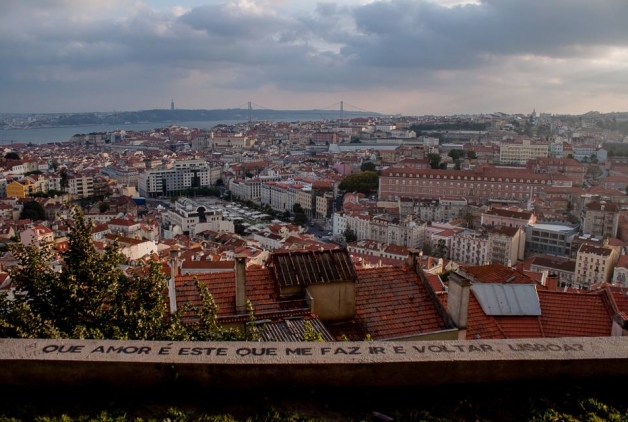
the city of Lisbon, Portugal with sea and sky in the background
Lisbon, Portugal

One of the ways we can get noticed as writers is to enter writing competitions. You can join local and international writing groups and associations that send out newsletters letting you know when, what and where to enter.

I can’t remember entering this particular competition, or where I saw the information, but I am thrilled and delighted to tell you that an excerpt of my WIP, Lost in Cooper Park is a runner-up in 2018 Disquiet Literary Contest.  There were over 1,000 entries. I have been awarded a partial scholarship to attend the Disquiet International Literary Program in Lisbon, Portugal. Such exciting news.

The judges said of my entry:

“… an excellent domestic psychological drama, reminiscent of Sally Vickers (The Other Side of You) written in beautiful, striking prose. It has an incredible memorable opening. The author has a voice that is unique to her and that, at the same time, is particular to the narrative. The story moves between places and narratives with deftness, knowing precisely when to leave a thread open and when to pick it up again.”

Whoo hoo.

I recommend staying up to date with competition deadlines. This keeps you motivated to finish a piece of writing by the date specified. Subscribe to writing groups and newsletters that alert you to closing dates. I am a member of the NSW Writers’ Centre, Society of Women Writers’ NSW, Australian Society of Authors, and other writing groups on Facebook.

Wishing you the best of luck.

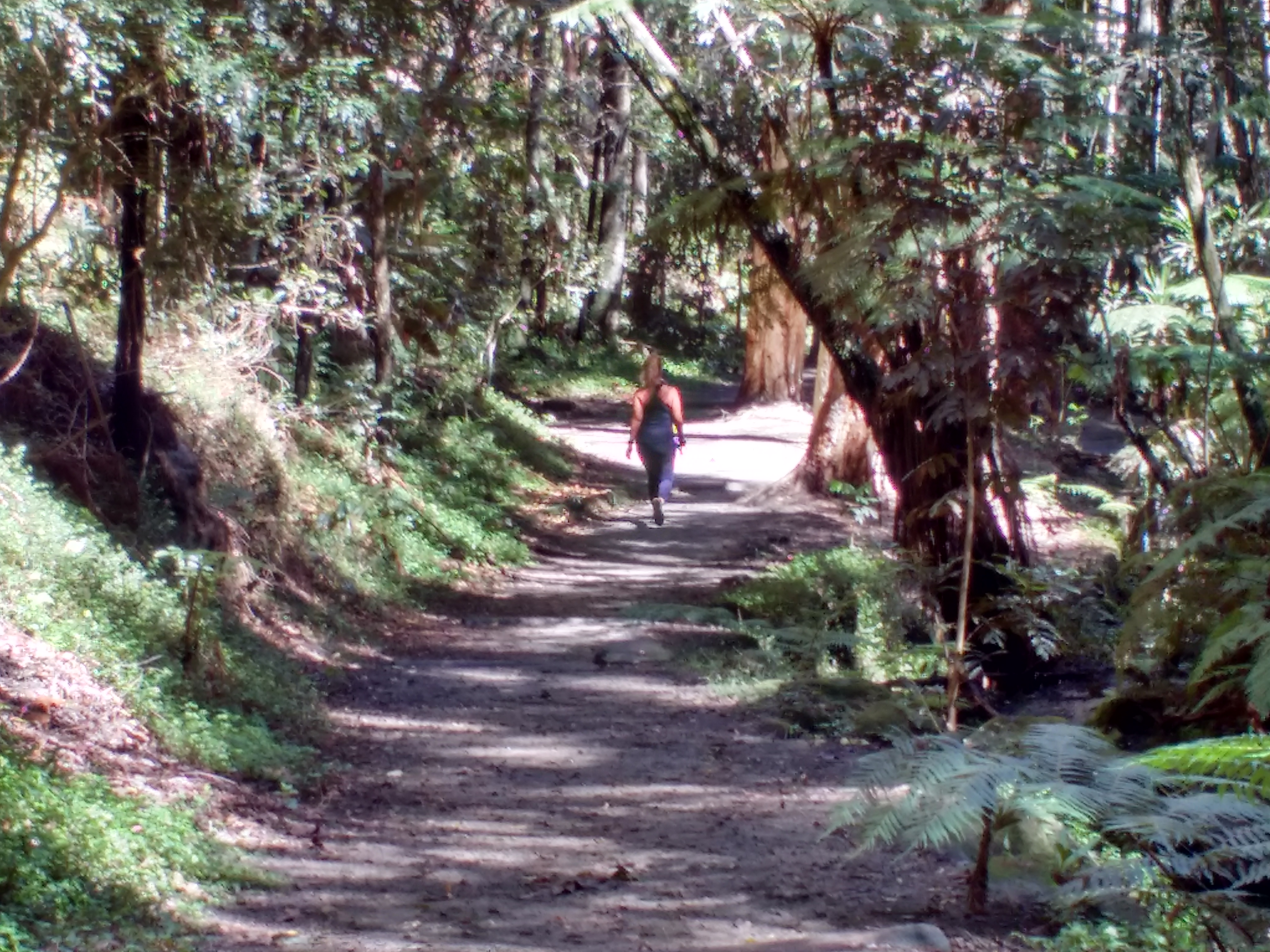
Woman walking through Cooper Park with her dog.
Cooper Park


Writing Tip: Writing In Cafes

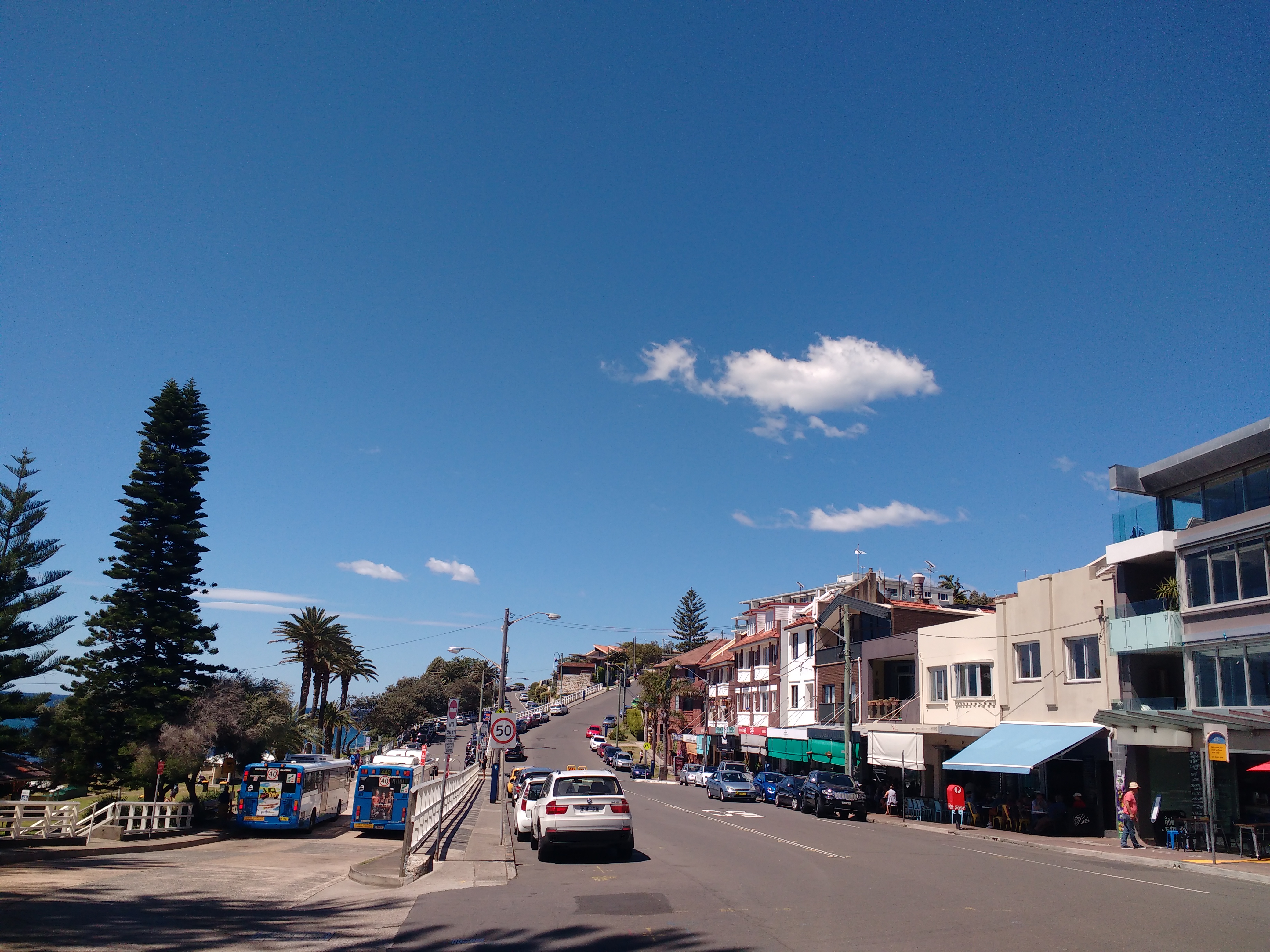
cafes, buses, palm trees, bright blue sky, cars on Bronte Road, Bronte

I am sitting in a café across the road from the beach in Bronte, Sydney.  This stretch of road has a whole row of cafes side by side facing the sea.  This is my favourite kind of writing place:  one where I can sit comfortably for a long period of time and where the owners of the café know me and welcome me.  This café is owned by a Brazilian man and his wife and has comfortable upholstered bench chairs with a direct view of the Pacific Ocean.  For my two-hour writing session my choice could be a traditional Brazilian dish such as Coxinha, Feijoda or Moqueca.  Or a cocktail like Caipirinha or  Caipiroska.  I must order something and it must be more that a Soy Cap, because I plan to be here for a long time.  I want the owners of the café to know I appreciate the time and the space they are allowing me.

However, today I’ll be very boring and order poached eggs on gluten-free bread 🙂

Why go to all this trouble to find a place to write?  Why not just stay home and work?  Because it’s good to get out and have a change of scene.  I find I need to be happy and relaxed when I’m creating on the page and sitting in a café with a pleasant vibe works for me.  Other writers need silence in order to concentrate, but I need to feel I am out and about in a beautiful place having a good time before the creative juices flow.

Strangely, writing in a café can help to increase concentration.  The busy café atmosphere keeps the sensory part of you occupied and content, so that the hidden, quieter part of you that composes and focuses is allowed to do its work.  It is something like being cunning when trying to get a spoonful of food into a resistant toddler’s mouth:  You pretend to be an aeroplane with all the sound effects and movements before landing the food-laden plane inside the child’s mouth.  Mission accomplished.

It is preferable not to turn up at a cafe for a cup of coffee and a writing session at the cafe’s busiest times, like breakfast or lunch. Go at the in between hours when they are pleased to see you because they don’t want the place to look deserted. The beach cafes are places I frequent in spring, autumn and winter, but not much in the summer. Far too crowded and noisy.

There is a real art to finding the right place to write. For me the best place  is one that has comfortable chairs, a pleasant outlook (preferably a view of the the sky and/or green or water). A welcoming, almost homely, atmosphere.

What about you?  Do you need to be at your desk in total silence to write, or do you like to experience the swell of humanity around you—to be surrounded by other human beings?  Or at home listening to a particular kind of music? Let me know in the comments and please share this post with a friend if you enjoyed it.