My short story, ‘Mother’

Have a read of my short story, ‘Mother’ first published in Quadrant Magazine. ‘Mother’ is one of the self-contained chapters in my book, The Usual Story (Ginninderra Press) – a delicately fragmented story of memory, intrigue and passion.

MOTHER:

The day is softening into night, my desk in shadow as the sun moves behind the building.  Birds hover in the trees as the wind blows across the surface of the sea.  It’s hard to know which way to go.  Every day I fear that I can’t do it.  So I’m watching as it gets dark.

Tonight I’m thinking about the saddest bits.  Thinking, for example, that the night was alight with thunder.  Lightening cracked the sky.  Just a flash and then darkness again.

That I loved him, and sometimes he loved me too.

I’ll begin with the birds.  Three birds flying in perfect but constantly changing alignment.  So often there are three.  And then a lone bird darts across the sky in the opposite direction.

On the radio a voice says:  ‘We need to know the history, the history of the before, and then to know how the person chose to continue living, what baggage they chose to bring with them, to incorporate the memory into themselves or to leave it behind.’

A door bangs shut behind me; footsteps sound on the concrete driveway leading from the back door just a second or two after the door bangs.  The flame tree throws a shadow on the cane chairs on the balcony.  I stop working, put my hands and then my arms around my body and think of the feel of his skin.

How appealing, how irresistible that prospect of intimacy is, with the very person who can never give it.

After a day in which I have evoked Jack again, all the pain and disappointment and wanting him all over again came back.  I try to guess where he might be and what he might be doing but cannot imagine it.  His absence is still as heavy as the wave about to break above me, a wave that has appeared suddenly, and then it curls over me forcing me down to the bottom of the sea where I am helpless in the power and pull of its rip.

Last night I dreamt about a man with a hook for an arm.  I didn’t realise at first that the man had a disability because he’d kept it hidden behind the counter.  On the spur of the moment I told the man I was going to see a free film as part of the film festival and asked if he would like to come with me.  To my surprise he closed up the shop, put on a freshly laundered shirt and said he’d come.  That’s when I saw the hook arm.  As the evening progressed I was surprised by how very quick and skilful he was in the use of it.  He hooked me a chair and one for himself when we found the small cinema where the film was shown.  He seemed interested in me but I wondered how I would cope with his disability.

Sitting at my desk this morning, trying to work, I saw the line of the horizon as the sun beat down, heating up something outside so that its taint floated in on a breeze.  It was the dank scent of the earth after rain, entering through the open door.  It reminded me of the smell of his hair in the mornings and it came between me and my work.  I wondered why all of this has to go on for so long.

 *

It’s dark tonight with only a small crescent-shaped moon over the sea.  I’ve decided to take a walk to the house where I lived as a child.  I put on a cardigan and step out into the night.

The house itself is no longer there.  It has been torn down and a block of units stands in its place.  As I walk down the steps towards the beach and mount the hill, waves loom in the fading light; streaks of white against the dark sea.  Above me clouds gather against a starless sky.  I walk up the steps then stand at the lookout as the sea rolls in.

When I was growing up, this suburb was full of large houses and blocks of art deco units.  Some of the houses were very grand and others fallen into disrepair like ours.  Mother was ashamed of our house.  It was basically a mass of rooms surrounded on three sides by wide verandas and wooden painted rails.

Walking along my old street and its rows of gums and mix of glass and chrome home units and white-painted mansions, I see the stairs that connect this street to Birriga Road.  Those stairs that I walked up every day to catch the bus to school until Mother decided it was important that she drive me to school before she went to work.  ‘What will the neighbours think with you talking to boys at the bus stop?’

And there’s the house where the boy with diabetes used to live.  The boy who used to double me on his bicycle.  I can still feel the imprint of his ribs under my hands.  ‘It’s not ladylike for a girl to ride a bike,’ Mother said.  This boy’s house had seemed a long walk from mine but now it seems just a short distance as I walk up our old driveway.

Sixty apartments share our old address.  Forty units across the back yard and twenty on the driveway.  The trees I used to climb in the back yard are all gone.  No wild foliage, just bricks, concrete and cement, although one scrawny hibiscus droops over garage number  twelve.  A couple of branchless tree trunks wedge between the units and the fence of the block next door.  Nowhere for the trees to branch out.  No sunlight.  Suffocating.  Vines strangling trunks.  Trees choking to death.   I feel a thudding in my chest.

Drowning again and again.  A recurring dream.  And then I would wake and lie there waiting for the sound of the birds and the light of the dawn.  I’d count slowly:  one, two, three on the in breath, one, two, three on the out breath until I would notice the waves lapping up and into my bedroom again.

It was already too late when I was eight.  I grew old at eight.  It came on very suddenly.  I saw the blood spreading over my grey school bloomers.  As the year lightened and turned hot, it got worse.  ‘Don’t tell anyone,’ whispered Mother.  ‘Especially your brother.’  January was too bright so I stayed in bed in the darkened bedroom.  I was ashamed of how I’d changed.  I wasn’t prepared for it.  I leant against the pillow in disgust.  I lost the desire to move.  But as dusk came one evening in February, there was the gentle sound of the wind through the leaves.

I see my former self.  The small child with hair pulled severely back at the sides of her large forehead revealing an open face that seems always to be frowning.  I can bring to mind a tall gawky adolescent with pimply skin with her arms crossed over her chest.  She wears dark wool skirts in the winter with long shapeless jumpers over the top, perhaps a long pendant, or cotton print dresses in the summer with a cardigan.  Her hands would clasp and unclasp in front of her.  Ridiculous.  Her hair looked ridiculous.  The hair must have been cut into a fringe but instead it bounced up into one tight little ridiculous ball in the middle of her forehead.

So I was eight and three quarters.  Mother made me wear dresses with pleats and frills.  I wore them with loathing.  I looked fat and childish in the dresses that were gathered at the waist and had a Peter Pan collar at the neck.

That day my hair was in bunches hanging down to my shoulders, not cut short at the back as usual, but long enough for me to put an elastic band at each side.  To my own hair I had added the hair of our housekeeper.  I wore her hair attached to my own.  I was using makeup already.  A crème pancake base that Mother had given me.  ‘Cover up those hideous freckles.’  I don’t know where I got the pink lipstick and the clear nail polish.  Perhaps I stole them.  I was wearing a little 4711 eau de Cologne.

*

Today the early morning light shines through the thick curtains, the mysterious light when it’s raining but the sun is still shining through the clouds.  But there is the exhausting and suffocating heat of Sydney’s humid summer days and nights to cope with.  It’s seven forty-five already.  I have overslept.  There is no sound in the building.  No footsteps, no cars reversing.  I guess that everyone has gone to work.

On the radio:  ‘Just a couple of drops of rain during the night here and there.’

I’m remembering Mother reclining in bed.  Her eyes closed and her hands crossed against her chest.  Her mouth open.  Now and then she’d catch her breath as if gulping the air.  At that moment, she appeared to be asleep.

Beside her I pulled the dead bits off the flowers.  I put the vase into place on the shelf above the bed and stared at a Picasso print of a woman’s body sectioned into geometric pieces.  I smiled at its startling arrangement of shapes.   I reached for another vase and began my pruning.

Mother leaned towards me, and in a rush of tenderness, unusual in her, tried to hug me.  I recoiled, unable to check the repugnance I felt for the touch of her.

My half-sister entered the room quietly.  I got up at once throwing the bruised and browning petals into the wire basket by the door.  I went over to the bed, and looked at Mother, who kept her eyes closed.

‘She’s resting,’ I said.

My sister went over and turned off the bedside light until there was only the weak light from the window.  She sat down so she could see Mother.  She stroked Mother’s forehead; leaned down over the face, using her fingers to exert pressure on the place between Mother’s eyes, pulled the skin across her forehead, pressed gently into the sides of her face.

Mother opened her eyes.  ‘You smell of garlic.  I can smell it on your breath.’  But then she let herself sink again.  ‘You are very good to me,’ she whispered.  ‘I don’t deserve all the things that you do for me.’

Inez continued to massage her head and face until Mother fell asleep.

Inez said, ‘I think about Mother nearly every day.  When Mother spoke to me in her clipped determined way, I often didn’t understand what she wanted from me.  I tried so hard, but of course I never managed to please her.  Then she’d show her impatience.  She was always impatient.  With all of us.  She’d had a hard life and I forgive her.  I loved her because she was so—I don’t know what to say, exactly—because she was always such an overpowering presence.  But she could be so cold.  I would come to her wanting some affection, some understanding even, she’d turn away from me and be so cruel or she was just too busy to listen.  Yet I felt for her, I understood, and now that I’m older I forgive her totally.  If only I could see her again and tell her I wish now that I had tried harder and that if I had, things may have turned out differently.’

‘Your sister has decided to smooth the surfaces and to remember her mother as a saint,’ Dr Ross concluded.  ‘Her mother had a hard life and now she’s turned her into a saint.’

I’m imagining walking into the old house.  Across a big enclosed verandah and in through the front door.  A coat cupboard to the right, along another corridor to the maid’s room and bathroom, painted a light green, then out to the back porch and the lockup garage.  To the left of the maid’s room is the large kitchen with a table in the middle and a pantry to the side.  Behind the kitchen is the laundry, the room where I’d do the ironing.

Mother is at the table with Father in the dining room, with its mahogany furniture and red and gold flocked wallpaper.  It is already dark and the thick lined curtains are closed.  The silver candlesticks on top of the white linen tablecloth reflect the light of the chandelier.

Husband and wife are dressed formally.  Perhaps they’ve been to synagogue, or else they’ve been to the Chevra Kaddisha to pray for a dead relative, or they may have been to an afternoon tea at a friend’s house.

Father is two years younger; his face jowled, his mouth relaxed, his eyes small and piercing; his smile is kindly but wary.  His hands shake slightly.  His hands are broad, with thick blunt fingers, and are mottled with pigmentation spots.  The short moustache and the grey hair are neatly trimmed.

Husband and wife eat in silence.  The silence is full of contempt—a shared contempt.

She wears white gold wedding rings that are simple in design, and two diamond rings.  And around her neck is a necklace of marquisette with drop earrings to match.  He has given her many presents of jewellery over the years.

He turns to Mother and tells her he’s going to adjourn into the lounge room with the newspapers, is she going to join him?

She shakes her head.  He shrugs at this, confirming:  Let’s see who will break first.  Who will be weakest in this mutual destruction of each other.

‘What are you laughing at?’ he says.

‘Nothing.  I’m not laughing.’

‘Will we listen to a record in the lounge or will we go upstairs to bed?’

‘I don’t want to hear any records, thanks.’

She knocks the sugar bowl over as she reaches for the teapot.  The fine bone china dish breaks into pieces and the brown granules spread over the white cloth.  She glances at him in barely disguised fear, but he keeps on stirring his tea, looks straight ahead.  He finishes his tea, wipes his moustache with meticulous care then throws the creased napkin onto the table and stands up.

‘It’s getting late.  See you up there.’

To the right of the top of the staircase is their bedroom.  I imagine Mother sitting down at the dressing table and taking the pins out of her hair.  It falls to her shoulders, the heavy weight of it released.  She puts on her nightgown and then stands in the middle of the room.

‘It’s a man’s world,’ she says in an absent-minded, dispassionate voice.

Father enters the bedroom, walks towards her.  He is wearing a navy blue satin dressing gown and is holding a book in his hand, his glasses pushed up high on his forehead.  She walks past him, pulls back the sheet.  The sheet is spotted with blood.  He sees the blood.  She smiles to herself.

 *

At twilight the sky is a deeper darker shade of blue.  The clouds are puffy but stagnant.  Faint hush of the sea.  Traffic noises in the distance.  A brief hammering.  The sea turns from blue to soft grey as the waves move south in lines of darker grey.  Thudding music from the house in front starts up but then it stops.  The rumble of a plane overhead as it nears and then recedes.  Moves closer—moves away.  Kitchen sounds from the unit next door.  Another plane rumbles in the distance.

The heat is leaving the day although the leaves and branches of the trees are not moving.  Then a breeze picks up.  A dog barks; the cicadas start up.  Street lights, headlights.  The sea darkens and the thudding party starts up again in the house in front.

It’s enough for me now just to think of Jack’s face with that peculiar, stricken look.  Was it only later that as I searched for the memory of his face and looked at it and then his whole body, so often motionless and turned in on itself that I either took his face out of my memory or returned it to when I stood looking at him still asleep in the bed?

If he is living around here, he may be beginning a day’s work just now, since he never was one for an early start, or he may be sleeping with the doona over his head, unable to face another day.  He may be listening to the sounds of the people around him preparing for work.  Or he could be with that woman with the three children.  Or he could just as well be living out west again.

Mother thought that God was cruel and hard.  But in her prayers she still turned to Christ.  She converted to Judaism when she married Father.  I’m imagining her long honey hair  rolled in a bun, her fine cheekbones, her mouth held in an ungenerous curve.

Her eyes are red with lack of sleep.    She had been lying for several hours wandering whether to get up or not.  It’s better to get up, straighten out the body, turn on the bedside light, try and read.

She gets up and stands for a long time by the hospital window.  There is moisture on the pebbles of the veranda outside.  Everything out there in the garden is blurred and hazy.

‘Thank you dear Lord for giving me daughters.  I needn’t worry so much about what will happen … sometimes I think I’ve had enough of this world.  How am I to cope?’  She lets herself sink.  There is only one solution.

She turns off the bedside light then hears footsteps in the corridor.  A nurse comes in and takes her pulse and her temperature, makes notes on the clipboard before replacing it at the end of the bed.

Or this is how I imagined it.

Outside the window a bird clutches a branch.  Leaves surround and envelop him as the wind moves through the leaves.  He trills a contralto then darts off towards the sky, swift as an arrow.  The wind heaves the branches and scatters the leaves as another bird with a flurry of wings and a nod of his head darts off.

I must have been five when I came running in with a painting to show Mother, the picture of the birds in front of the clouds, the red sun to the left with its rays of sunlight.  ‘I’ve got a present for you,’ I said.  ‘Close your eyes.’  I put the painting in her hands.  ‘Open your eyes.’  She looked at it.  I pointed at the birds.  ‘One bird, two birds, three, four, five, six black birds,’ I said.  ‘It’s alright,’ she said in her dismissive voice.  ‘You don’t have to count them all.’  I showed her the swirls of blue.  ‘And this is me with my feet in the water,’ I said.  ‘And this is you standing behind me watching. And this is the purple woolly rug that we had on the picnic.  This is you and this is me.’

This may be the last time that I make the effort of remembering Jack.  The last time that I let him make me suffer.  It’s the forgetting that takes so long.

Memories of Mother have almost faded altogether.  I don’t remember if I ever loved her.  In my mind I no longer have the feel of her skin, nor in my ears the sound of her voice.  I can’t remember the exact colour of her eyes, except sometimes I can see them all misty and watery with some secret.  Her weeping I can’t hear any more – neither her weeping nor her laughter.  It’s over with her, I don’t recall the details.

That night in June a strong wind had blown through the leaves.  So strong it blew small branches off the trees and on to the car.  Dirt blew along the road.  Thunder, louder this time.  A car alarm sounded for three beats and then it was silent again.  A plane flew into the grey, its lights flickering as the horizon blurred and the sea turned into deep dark grey.  People had flocked to the beach during the 34 degrees but now they hurried home as lightning split the sky.  The thunder grew louder but, strangely, the sky was still blue above the ocean still lit by the setting sun even as it began to rain.

I’d taken off my nightie and sunk into the hot salt and oil, stretched out as the phone continued to ring.  I lay there and listened.  He hung up without leaving a message.

I’d felt the grief rising up from my stomach.

A bird plummets to the earth and Jack is no longer here.  I sometimes find it hard to bear.  After all this time I am talking about it to be free of it all, although I know I never can be.  Over there to the east is the same sky reflected in the same water.  But I am not the same, not the same as I was then, and not the same after telling it.

Dawn through the curtains casts long shafts of light across the carpet.  There is a gentle breeze through the bamboo as I step outside and notice a white sail in front of the low hanging cloud.  I stand there and watch as the yacht progresses along the flat line of  the horizon.

Copyright © 2023 Libby Sommer

Back Cover Book Blurb

painting of girl lying on beach in torquoise bikini reading a book

The  back cover book blurb is crucially important. But it’s harder than you think to write one. My new book, STORIES FROM BONDI will be published by Ginninderra Press in July this year. It’s especially difficult for me to write a blurb for this book as it’s a collection of stories rather than a continuous narrative. We’re told the blurb should be short and sweet, give away enough of what’s inside the book without giving any plot spoilers and draw the reader in.

This is what I’ve put together using quotes about my work from well-known writers. Let me know what you think.

The characters who inhabit a Libby Sommer story live and breathe. In the sensitively-drawn details of their lives, in the echoes of the everyday, we find images of ourselves.    As in her earlier collections, these 17 stories centre on women – their joys, doubts, loves and realisations – on what Sommer calls “the pain of the human condition”. She lays bare the foibles of human nature. From the opening story searching for the Bondi mermaids, to a moving piece set in a health retreat that closes the collection, this is classic Sommer, “brilliantly drawn with wit, compassion and poignancy …” – JAN CORNALL, Writer’s Journey

Last year, when THE USUAL STORY was nearing publication, I wrote a post about creating a great book blurb. That advice related to a continuous narrative, rather than a collection of stories, but some suggestions I made were:

‘A three-act structure. You want to catch the reader’s attention, give them the content, and then give them a reason to care.’ – Author Unlimited

Have a look at this YouTube video by international best-selling self-published Romance writer Alessandra Torre. She tells a terrific story of how she went from 3 book sales a day to thousands by changing her blurb:  The Blurb Equation – How to Write a Kick-Butt Blurb.


The Blurb Equation (Alessandra Torre)

INTRO + HINT + CLIFFY


1. PART 1 INTRO:           the characters or situation is introduced.

2. PART 2 THE HINT:     what the story is about, the conflict or climax.

3. PART 3 THE CLIFFY:  what’s going to happen? Hooks the reader.

Alessandra says to keep the blurb short. More than four paragraphs is too long . Three paragraphs of two to three sentences is best. Don’t give away the plot.

Hope you find this useful. Good luck on your writing journey.


5 Tips for Choosing Images for Your Book Cover

painting of girl lying on beach in torquoise bikini reading a book

My latest book, Stories From Bondi will be published by Ginninderra Press later this year. Because designing the book cover comes early in the production process, and authors have the opportunity to provide input on the design, I have been researching suitable images.

“Covers need to be both visually enticing and appropriate for a book’s content and audience.”

I often turn to Shuttlestock when looking for a cover pic or for advertising purposes. I did advertise my last book on Facebook recently. According to  Help! My Facebook Ads Suckit’s best not to use the book cover in the ad. Facebook don’t want your ad to look like an ad. Too many ad-looking posts are not good for Facebook business. So I create an image for each book that represents the story, but is not the cover image.

I’m using the above pic every time I refer to Stories From Bondi. It’s not the book cover.

This pic below is the image I use when referring to my last book, The Usual Story I purchased copyright and use the image for my Facebook ads.

Regarding Facebook ads Marketing Secrets blog has some great advice.  Have a read of ‘Confused By Facebook Marketing? Learn the Ins and Outs With These Handy Tips‘.

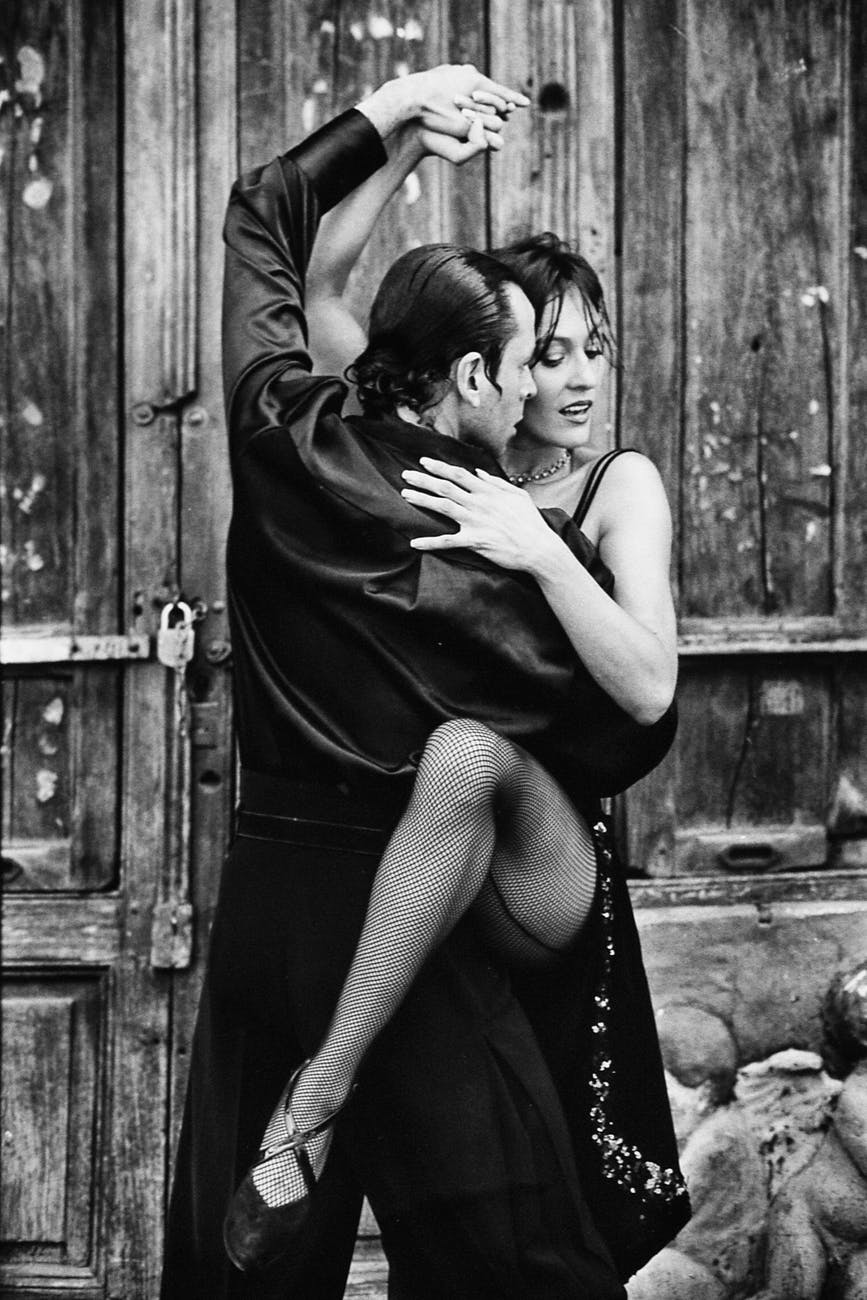
a man and woman dancing tango

Some great recommendations on choosing a cover image for your book cover from Damonza cover design:

Choosing a photograph or illustration for your book’s cover can be a daunting task. No matter how imaginative writers can be, visual imagination is not always included. For many authors, the fact that an entire novel requires only one picture to illustrate it is a blessing. The problem is that you still need to come up with that one picture — and it needs to be a good one. Because it’s just one picture. One. The following are a few book cover design tips to help you formulate and execute a concept for your cover’s imagery.

1. Solidify Your Ideas

Is your book about the plight of a young waitress trying to make it in the cut-throat world of fine dining while juggling her love life? If so, an illustration of a moving truck is probably not your best option for a cover graphic. Think of elements from your story that would fit well in a background image. For the story of our struggling server, a photograph of an abandoned apron could be complimented by a matchbook with a suitor’s phone number scribbled in it. Focus on items or scenes that suggest your subject matter. If you’ve hit a roadblock for image ideas, consult with a designer. The pros handle images for a living and simply leave the words to you.

2. Be Aware of Legal Issues

You may be thrilled when you use Google Image Search to locate that perfect photo for your cover, but beware — licensing issues will probably prevent you from using it. You will need to find the copyright owner (usually the photographer) and acquire written permission to use the image. Some photographers will be happy you’re using their work, some will ask you to pay a fee, and a few will flat-out refuse to let you use their work. In some cases, you may not be able to track down the copyright holder at all. Be prepared for this scenario and have a back up plan. The last thing you want is to have your book ready to go to press, only to be held up by a legal battle over an image.

3. Browse Stock Photo Websites

If you’re really lacking in inspiration for your cover, there are hundreds of stock photo websites that have plenty of imagery available. Search for words that have something to do with your story and see what pops up. You may just find yourself flooded with ideas after seeing what the internet thinks! In the best case scenario, you may even find an image that you want to use for your cover. Stock photo websites sell conditional and exclusive licenses for every image on the site, so securing rights to use one will be a breeze. If you’ve chosen a designer to work with, talk to him or her about using stock photos. They can help you through the licensing process and anything else that gets complicated.

4. Take Your Own Photographs

If you’re looking for something with a little more of a personal touch, try to create your own image. Even cell phones these days have high resolution cameras that can take brilliant photos. There are also thousands of apps that can help you add filters and effects to the photo you’ve taken. When choosing to go this route, however, you must make sure that your photos are being taken in (and staying in) high resolution formats, otherwise they won’t be printable. If you have a photograph that you would like to use but you’re not sure if it will work, show it to your designer. Designers can apply filters and alter photos so that they look great on a book cover.

5. Work With a Professional Designer on your Book Cover Design Tips

No matter how you end up finding and selecting the images for the cover of your book, it is advisable to work with a professional designer to put everything together. They can help you choose fonts and colors that will compliment the imagery you’ve chosen and can even adjust the images you have to better suit a book cover.


For further reading, check out my posts Recharging Your Creative Batteries and Writing Tip: I Am Not the Stories I Tell.  And to make sure not to miss anything from Libby Sommer Author you can follow me on Facebook  or Instagram.

Will my story resonate with anyone?

a man and woman dancing tango

When you write a story, you never know if it will resonate with anyone. Then a person like Dr Beatriz Copello writes a review and you find yourself dancing with joy, thinking how blessed you are.

Beatriz Copello’s review was published by The Compulsive Reader and you can read it below:

A review of The Usual Story by Libby Sommer

Reviewed by Beatriz Copello

The Usual Story 
by Libby Sommer
Ginninderra Press
Paperback, ISBN: 9781760415792, July 2018, $27.50, 80pp

The Usual Story by Libby Sommer takes the reader into the life and mind of Sofia.  Sofia is a middle-aged woman, a writer and very much involved in dancing, particularly Tango.

Tango, a dance that was born in the 1800s around the port of Buenos Aires, Argentina, was the dance of port workers and women of the night. Nowadays, this complicated and elegant dance is very much in vogue and danced around the world. Tango gives some sort of skeleton to a large part of The Usual Story. Other sections deal with relationships from the past and the present.

The reader gets to know Sofia as she dances and relates to the other dancers who participate in the Tango classes. In an interesting way Sommer mixes in her text Sofia’s tango adventures and lessons with her thoughts and love experiences, as well as evocative descriptions of her surroundings.

There is something in human beings that makes them ponder relationships. Sommer, with a very fine narrative, engages us in Sofia’s analysis of the past, particularly in her relationships with her parents and with two of her younger lovers J and Tom. The writer has the ability to create very believable characters. She handles feelings in a measured and unsentimental way. The author says about J:

Little by little, I’d learned new things about J. Once, when staying with him in that first summer, I found him lying on my bed with so pitiful a look on his face that I couldn’t see into it. It was very painful to realise how utterly defeated he looked; everything about him was different to what I’d seen before, out of sync, closed down, remote, his very guts hanging out in front of me.

Every now and again we encounter in the narrative some profound thoughts from Sofia. She reflects: “I think that when you are really stuck, when you have stood still in the same place for far too long, it’s almost as if a bomb needs to go off, to get you to move, to jump, and then to hope for the best.”

The Usual Story contains many things about the every day, the mundane, the routine of living but it is presented in such an engaging way that the story becomes real. It is impressive the ability of Sommer to fragment the narrative when we encounter Sofia’s visits to the psychiatrist. We read about her participation in Milongas, asking relatives about her past, and about love and its many facets. All of these interspersed with poetic descriptions of place. Sydneysiders will recognise many areas of the Eastern suburbs in Sommer’s vivid imagery. The following is one of those descriptions that has cinematic qualities:

The sea looks different every day. Today it’s a mid-grey tone, its surface moving in a gentle tugging motion as a container ship moves south along the horizon. A moist breeze brushes my cheek as the waves make a hushing noise as they curl into the sand of the beach. I watch the colour creep slowly into the clouds. A flock of lorikeets balances on the bare branches in front of me.

There is a certain melancholy in The Usual Story which I believe stems from the relationship of Sofia with her mother and her daughter. Relationship between parents and children can be very complicated. As sons and daughters we tend to arrive at a different view of them according to our age. As children, our parents are like gods; as adolescents they can be our enemies; as adults we tend to be more objective but we are too busy with our own children to spend time analysing these relationships. We may also depend on our parents to help with our progeny and this clouds our assessment. A different thing is when we get to that same period of life:  our third age. It is then, when we have lived and experienced life, that we can be more objective in the evaluation and appreciation of our parents. Sofia is at that stage and she can see clearly her mother’s distant and cold behaviour, but there must be in her a grain of insecurity so she wants to check what she thinks she knows. She wants to be sure. So she searches through memories, analysing them, confirming facts with other relatives.

Sofia’s relationship with her daughter is not perfect either. After seeing a mother and a daughter embrace each other with love she says: “They embrace and then walk to the door, still entwined. I feel a pang of wistfulness for my own daughter as I watch them walk away. My daughter who hadn’t wanted to spend a weekend away, just the two of us. She’d said we make each other tense if we’re together too much. But she’d said it in a kind voice.

‘You don’t mind, do you?’ she’d asked.

I did mind. ‘At least you’re honest with me,’ I said.”

As a psychologist, I found The Usual Story fascinating because the characters are so interesting and authentic. As a reviewer, I enjoyed the book’s clear narrative, perhaps a little leisurely at times, but the pace picks up engaging the reader with a beautiful text.

About the reviewer: Dr Beatriz Copello is a former member of NSW Writers Centre Management Committee, writes poetry, reviews, fiction and plays. Beatriz’s poetry has been published in literary journals such as Southerly and Australian Women’s Book Review and in many feminist publications.  She has read her poetry at events organised by the Sydney Writers Festival, the NSW Writers Centre, the Multicultural Arts Alliance, Refugee Week Committee, Humboldt University (USA), Ubud (Bali) Writers Festival.

Print and ebook editions of The Usual Story available from Ginninderra Press, Amazon, Book Depository and other online booksellers.

Recharging Your Creative Batteries

land, sea and sky at seaside town of Kiama
Kiama, New South Wales

A change of scene does wonders, especially after all the work and excitement of launching a new book.

Writing a book is hard work.  Even though it is very challenging, we know it is what we were born to do.  After we’ve written the book, edited it, submitted to a publisher, had discussions about cover design, created the back cover blurb, obtained reviews, networked, self-promoted, updated the websites, promoted on Instagram, Facebook and Word Press, organised a launch and readings, it’s only natural to find ourselves exhausted.  Before our batteries are totally flat, we need to give ourselves permission to take some time-out. We need to walk away from the desk. Do something that will breathe fresh life into our work and feed our creative souls.

After the release of THE USUAL STORY, I caught a train to the seaside town of Kiama and had two days to walk by the ocean and breath in the fresh sea air. Fantastic.

The Champagne Corks Popped

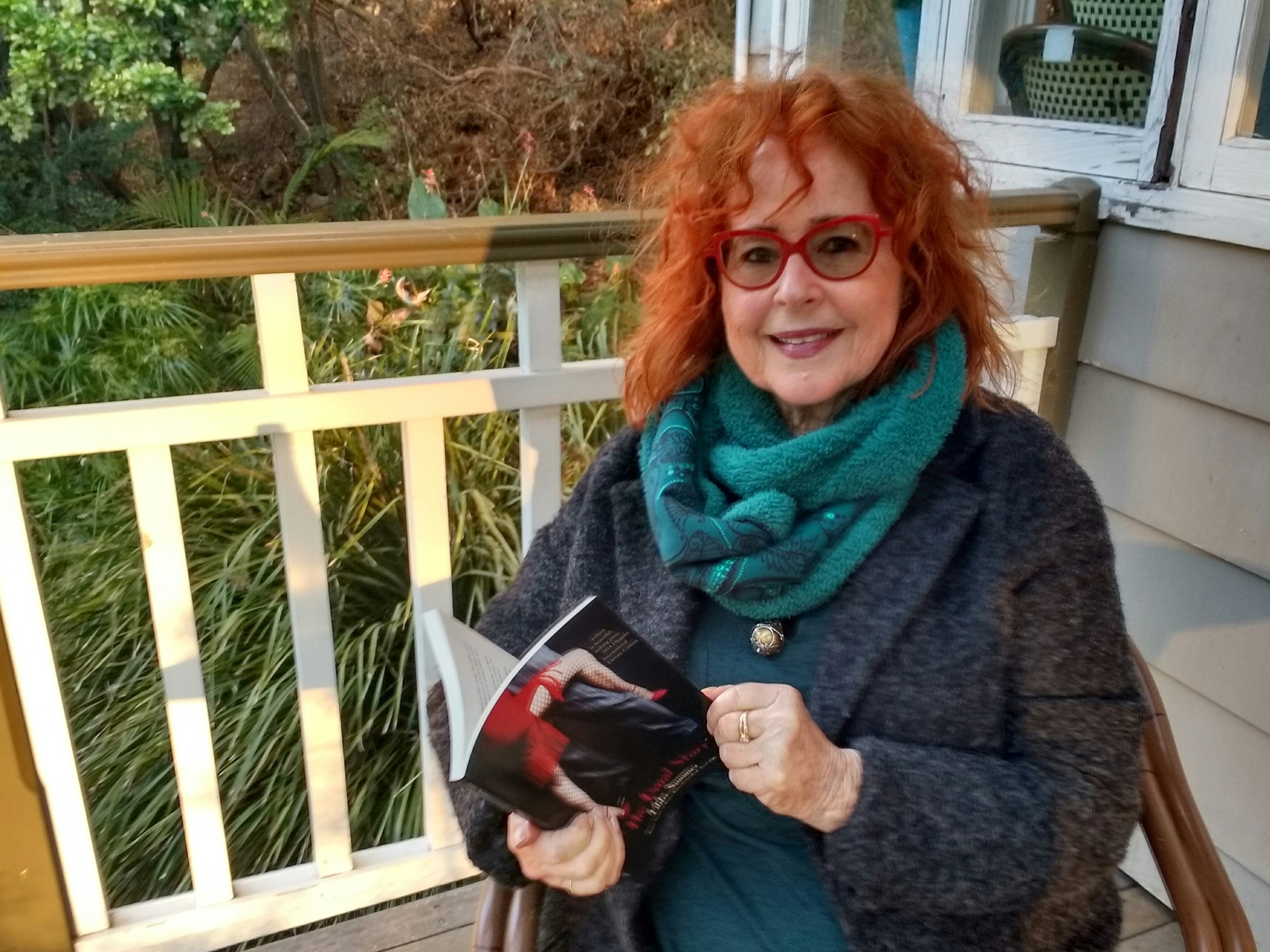
Libby Sommer with The Usual Story book

THE USUAL STORY has been released into the world. The champagne corks popped in celebration. Will THE USUAL STORY fly off the shelves in book stores all over Australia and around the world? Will it rocket up the charts on Amazon? Fingers crossed.

champagne cork popping

Here’s the book blurb:

“Tango is a dance of passion. It draws partners into an intimate relationship. Sofia loves to tango but, as she dances, she is confronted by society’s infatuation with the young and the beautiful.

In the painful aftermath of a brief affair, Sofia seeks to find out what she actually knows about herself and the past. She looks for answers in dark corners and begins to see the elusiveness of understanding and memory – the psychological space where recollection and loss collide.

If you liked THE CRYSTAL BALLROOM, you’ll love THE USUAL STORY, a delicately fragmented story of memory, intrigue and passion.”


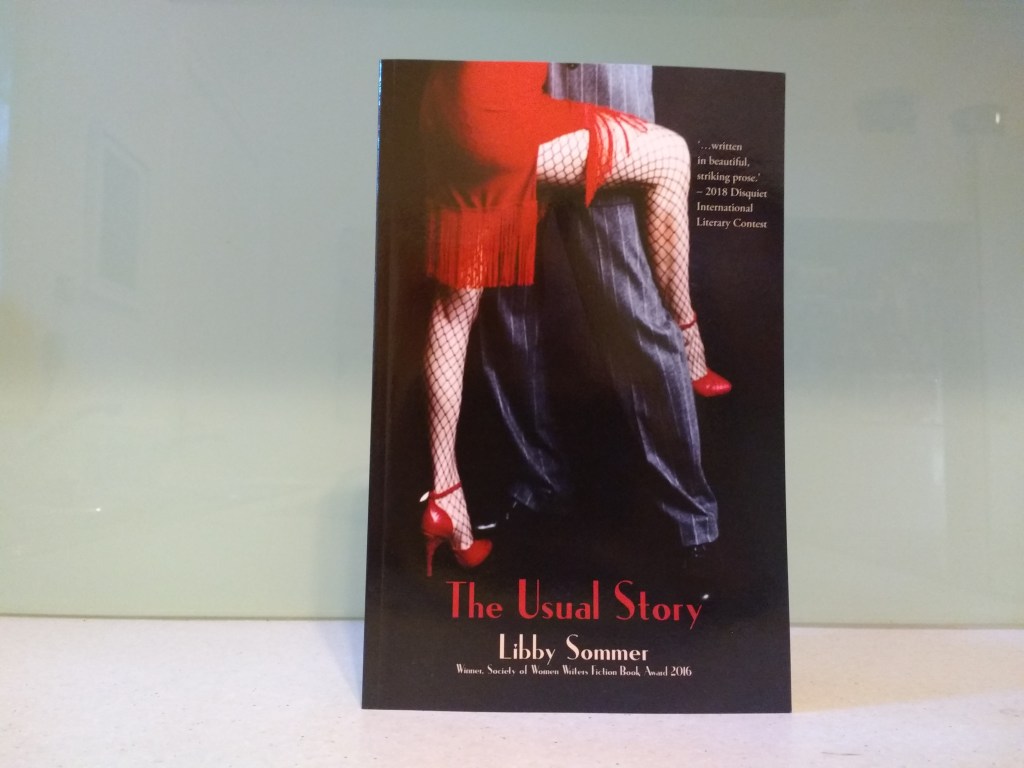
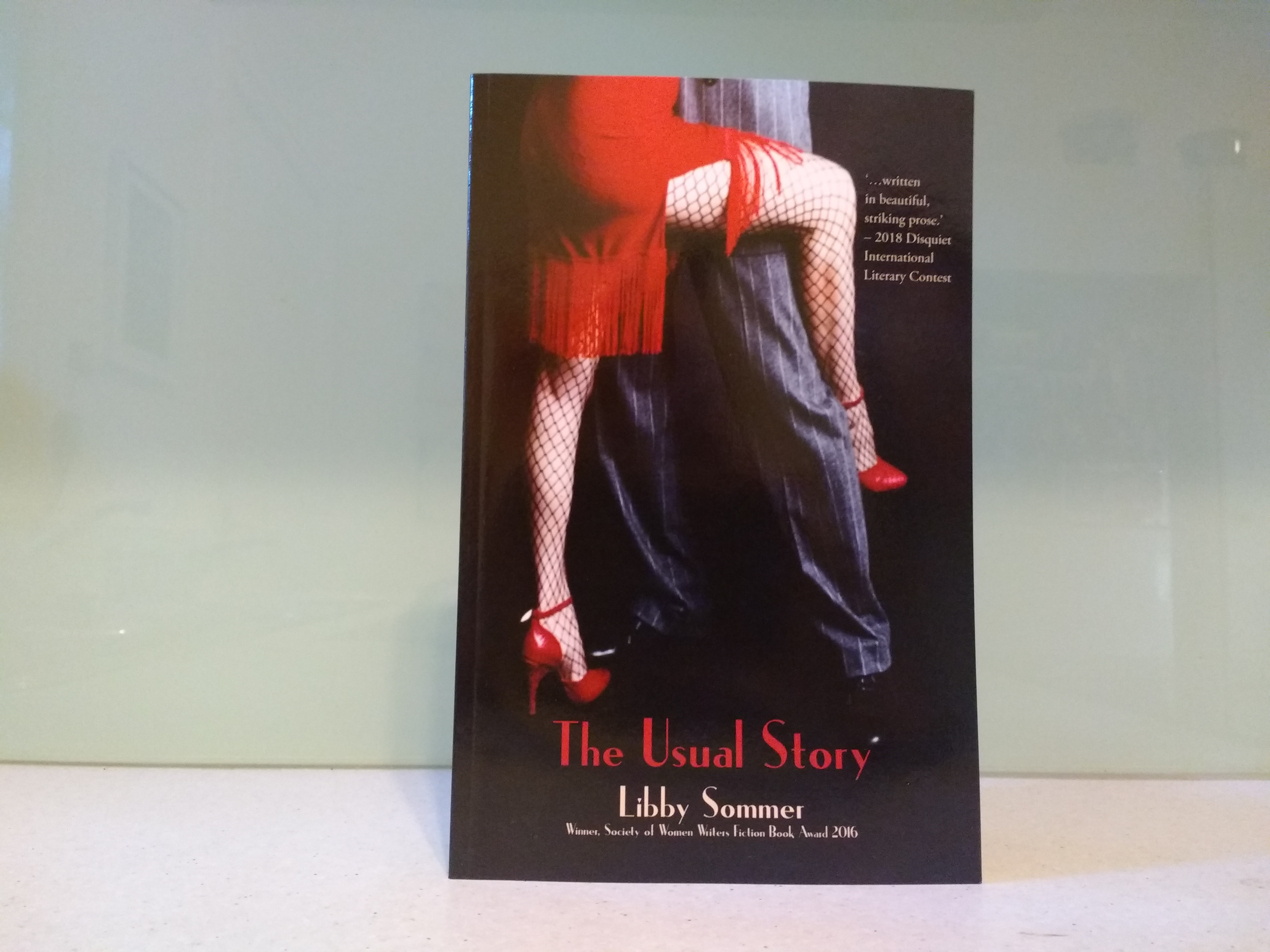
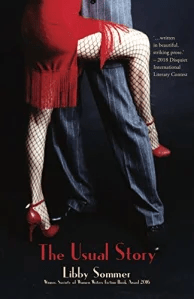
a grey-suited man and a woman in a red fringed dress, red shoes and fishnet stockings, are in a tango stance, her leg wrapped around him.

Available from Ginninderra Press; also print and ebook editions from Amazon, Book Depository and other online booksellers.

Hope you enjoy it.

Cover Reveal

a grey-suited man and a woman in a red fringed dress, red shoes and fishnet stockings, are in a tango stance, her leg wrapped around him.

Woohoo. Here’s the cover of ‘The Usual Story’ – a delicately fragmented story of memory, intrigue and passion. The book will be released on 25 July. Much excitement.

The cover image shows the fabulous legs of tango dancers and teachers Mimi and Teddy from ‘A Little Buenos Aires‘.  Mimi and Teddy, who run regular tango workshops and milongas, very kindly let me use their photo.

“Tango is a dance of passion. It draws partners into an intimate relationship. Sofia loves to tango but, as she dances, she is confronted by society’s infatuation with the young and the beautiful.”

Pre-release copies available from publisher Ginninderra Press or you can order a copy from your favourite bricks and mortar bookseller, online retailers or on Kindle, etc.

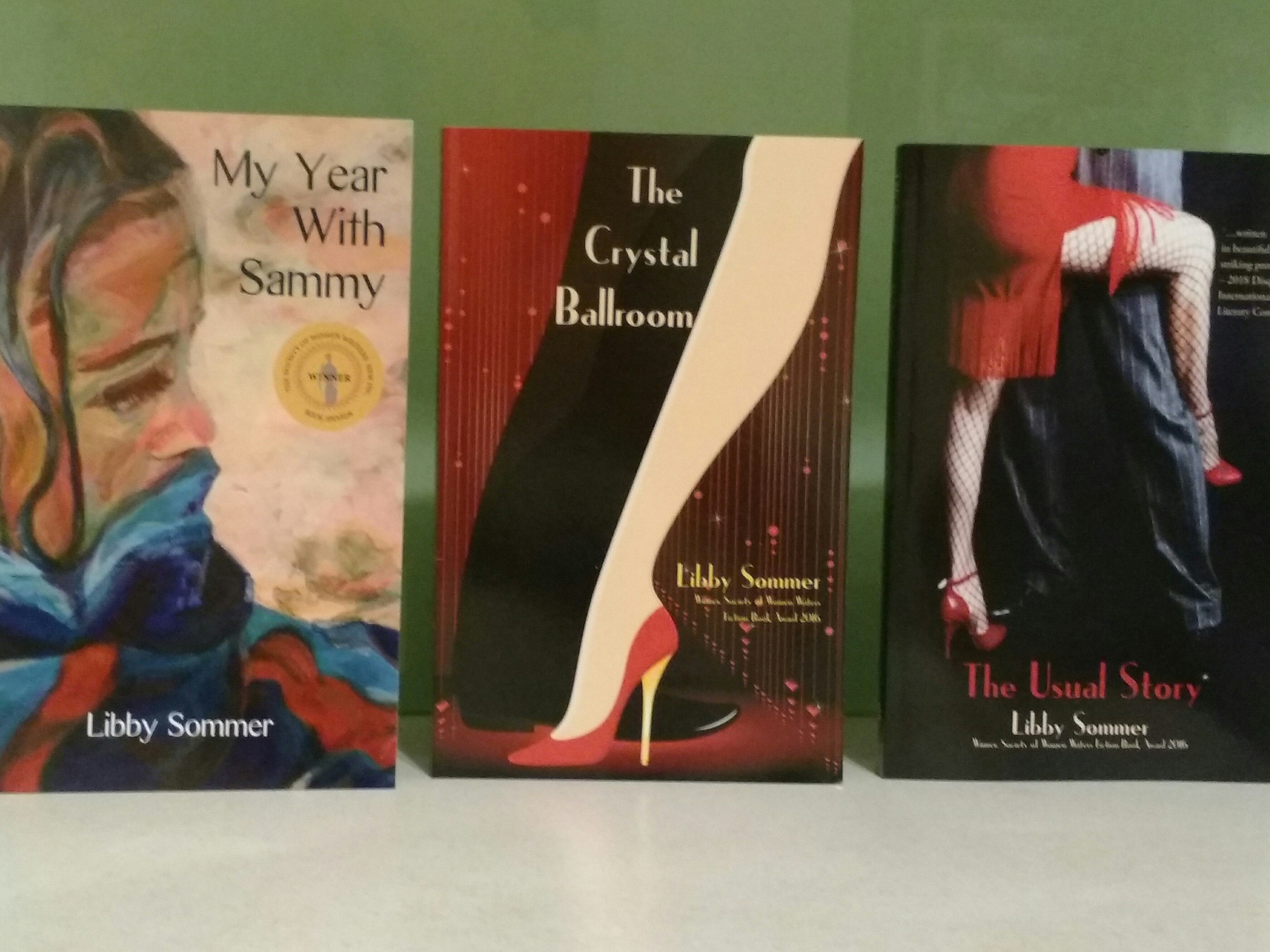
I’m so excited about ‘The Usual Story‘, a prequel to ‘The Crystal Ballroom.  And thrilled my books are out in the world where people can read them.

If you’d like to write a review of the book on Amazon or Goodreads it would be fantastic.

Counting down to launch.

ThreeBookCovers3


Publication Update

a man and woman dancing tango

On Tuesday I posted the corrected final proofs of THE USUAL STORY back to publisher Ginninderra Press.  Am now in the home stretch for July release of the book, a prequel to THE CRYSTAL BALLROOM.  Have finalised the blurb for back cover and obtained copyright approval for front cover image.

The primary goal of proofing is to serve as a tool for customer verification that the entire job is accurate. Prepress proofing (also known as off-press proofing[4]) is a cost-effective way of providing a visual copy without the expense of creating a press proof.[5] If errors are found during the printing process on press, correcting them can prove very costly to one or both parties involved. – Wikipedia

I’ve been working on the back cover Book Blurb for the last couple of months – rewritten it maybe 300 times. But I think it reads well now, so well I hope readers won’t be disappointed when they read the book itself. Hopefully the story lives up to its promise.

Like THE CRYSTAL BALLROOM, THE USUAL STORY is written in stand-alone discreet chapters. Versions of several of the chapters were first published as short stories in literary journals. I connected the stories by using segments as linking devices: the main character’s telling of the aftermath of a painful affair, her search for understanding of what went before, and the tango. It’s not an easy thing to do. My proof reader said the manuscript reads like a novel, rather than as a collection of linked stories. Am very happy to hear that. Another term for the structure of the book is novel-in-stories.

‘While the short story pauses to explore an illuminated moment, and the novel chugs toward a grand conclusion, the novel in stories moves in spirals and loops, a corkscrewing joy rode.’ – Danielle Trussoni

So corrected final proofs are now with  Ginninderra Press in Adelaide, a small but prestigious publisher.

The next step towards a July release of THE USUAL STORY –  a delicately fragmented story of memory, intrigue and passion –  is the uploading of the files to the printer.

An exciting time.


3 Parts to a Great Blurb

pexels-photo-325924.jpeg

Your book’s blurb is crucially important. But writing a blurb is harder than we think. A great blurb is short and sweet, gives away enough of what’s inside the book without giving any plot spoilers. It draws the reader in.

‘A three-act structure. You want to catch the reader’s attention, give them the content, and then give them a reason to care.’ – Author Unlimited

Have a look at this YouTube video by international best-selling self-published Romance writer Alessandra Torre. She tells a terrific story of how she went from 3 book sales a day to thousands by changing her blurb:  The Blurb Equation – How to Write a Kick-Butt Blurb.


The Blurb Equation (Alessandra Torre)

INTRO + HINT + CLIFFY


1. PART 1 INTRO:           the characters or situation is introduced.

2. PART 2 THE HINT:     what the story is about, the conflict or climax.

3. PART 3 THE CLIFFY:  what’s going to happen? Hooks the reader.

Alessandra says to keep the blurb short. More than four paragraphs is too long . Three paragraphs of two to three sentences is best. Don’t give away the plot.

Keeping all this excellent advice in mind (although I’m not a Romance writer), I’m continuing to sweat over the draft blurb for my new book THE USUAL STORY, due for  July release by Ginninderra Press. Please use the comments section to give any constructive feedback. I’d love to know what you think.

It’s especially difficult for me to write a satisfactory blurb for THE USUAL STORY because it is really a collection of connected short stories. I’ve linked the stories by using the tango dances and dancers, the painful ending of a brief romance, and the main character’s search in her past for answers.

Tango is the dance of passion, forcing partners into an intimate relationship. Sofia loves the tango, but at the dances she must face the truth of her ageing in our society that has very little use for anyone who is not young.

In the painful aftermath of a brief affair, Sofia goes in search of what she actually knows about herself and the past. As she looks for answers in dark corners, we begin to see, as does Sofia, the elusiveness of understanding and memory – the psychological space where recollection and loss collide.

If you liked The Crystal Ballroom you’ll love this book: a story of memory, intrigue and passion.


I hope this Blurb info is helpful. Do you have any tips you would add? Let me know in the comments and please share this post with a friend if you enjoyed it.


From acceptance to publication


tango-dancing-couple-dance-style-67238.jpeg

Over the weekend I finished correcting first proofs of THE USUAL STORY, a prequel to THE CRYSTAL BALLROOM and posted them back to Ginninderra Press in Adelaide. Final proofs next. We’re on track for a July release. An exciting time.

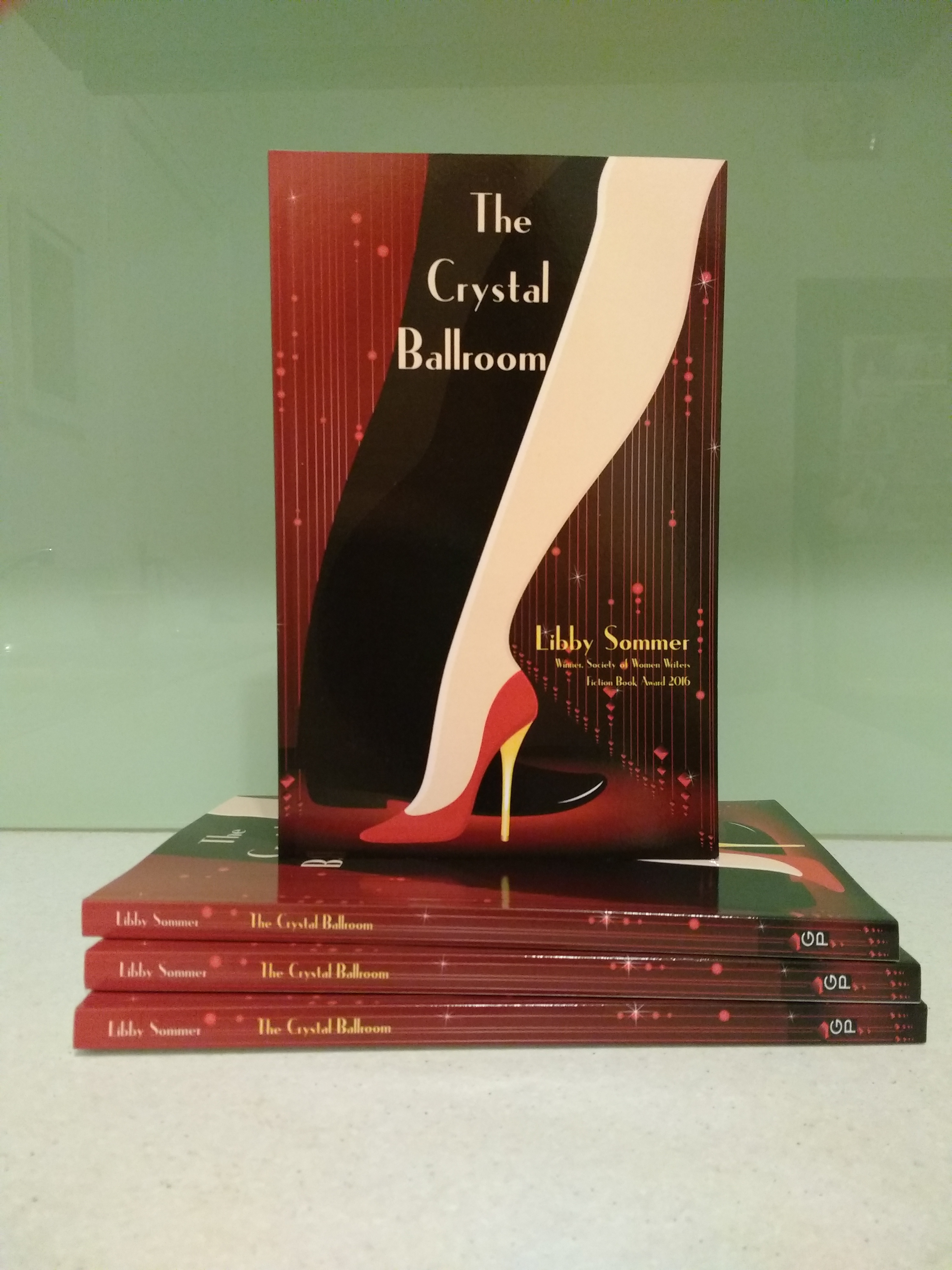
red and black book cover The Crystal Ballroom

This is my third book, so I’m getting used to the publication process. After acceptance of the manuscript by Ginninderra Press in July 2017, eight months later I received first proofs. These I’ve read and corrected.

In the meantime we have been discussing the cover image. Ginninderra Press is a small but prestigious publisher and I’m able to have a say in cover design. This doesn’t happen with a larger publisher. I am also in communication with GP about a quote to put on the front cover to attract sales and a blurb for the back cover.

Blurbs are very difficult to write. I had a chat with my good friend the talented author Susanne Gervay today about my blurb. She did a brainstorming session with me and I think we’ve got a few lines together that will make people want to read the book.

first proofs, The Usual Story by Libby Sommer

Actually, first draft of the blurb is:

‘Tango is the dance of passion, forcing partners into an intimate relationship. Sofia loves the tango, but at the dances she comes face to face with the truth of her aging in today’s culture that has very little use for anything that is not young.’

What do you think? I would LOVE some feedback on this blurb. Please give me your response in the comments section. I’m not a good big-picture-person like my friend Susanne. I’m more into observing small details, which is good for prose and poetry but not for writing pitches and blurbs.

I asked Les Murray, Nobel Prize nominee for Literature, who is also Literary Editor of Quadrant magazine, if he would read THE USUAL STORY and write a couple of lines for the back cover. He said yes. Wow! I’m so delighted. He knows my work well having published many of my short stories and poems. So first proofs have also been posted to him.

So that’s front and back cover. And then there’s a dedication page to be added, acknowledgements, etc.  Versions of three of the chapters in THE USUAL STORY were first published in Quadrant so this needs to be acknowledged.

Then comes final proofs. Professional proof readers are very expensive so I’m hoping my eldest son with the PhD will proof read for me this time. TBA.

Then comes Cover Release with a big beat up on social media. I post regularly on Instagram and Facebook and less regularly on Twitter and Pinterest. I think the cover looks terrific. It’s not all finalised yet. I asked two tango dancers I know for copyright clearance on one of their images that shows the two of them dancing the tango. It’s one of the photos they use to promote their classes at A Little Buenos Aires. They said yes, as long as I acknowledge copyright ownership. So that’s great. It’s an eye-catching pic and would look good beside THE CRYSTAL BALLROOM in book stores.

Next step is pre-release copies announcement. Social media again.

Then details of the release date of THE USUAL STORY. Champagne and balloons and a lot of brouhaha when the book is finally available to the public.

I am not planning to have a book launch. Unfortunately, I am a very shy person and hate being the centre of attention. I had a launch for my first book and it was very successful. However, I was so anxious I thought I was having a heart attack. So not doing that again. A shame because book launches are a good way to sell books. Because this book also features a lot of tango dancing, I am thinking I could have a soft launch at a milonga or tango dance. Just a slice of chocolate cake and a glass of champagne at half time. Or not.