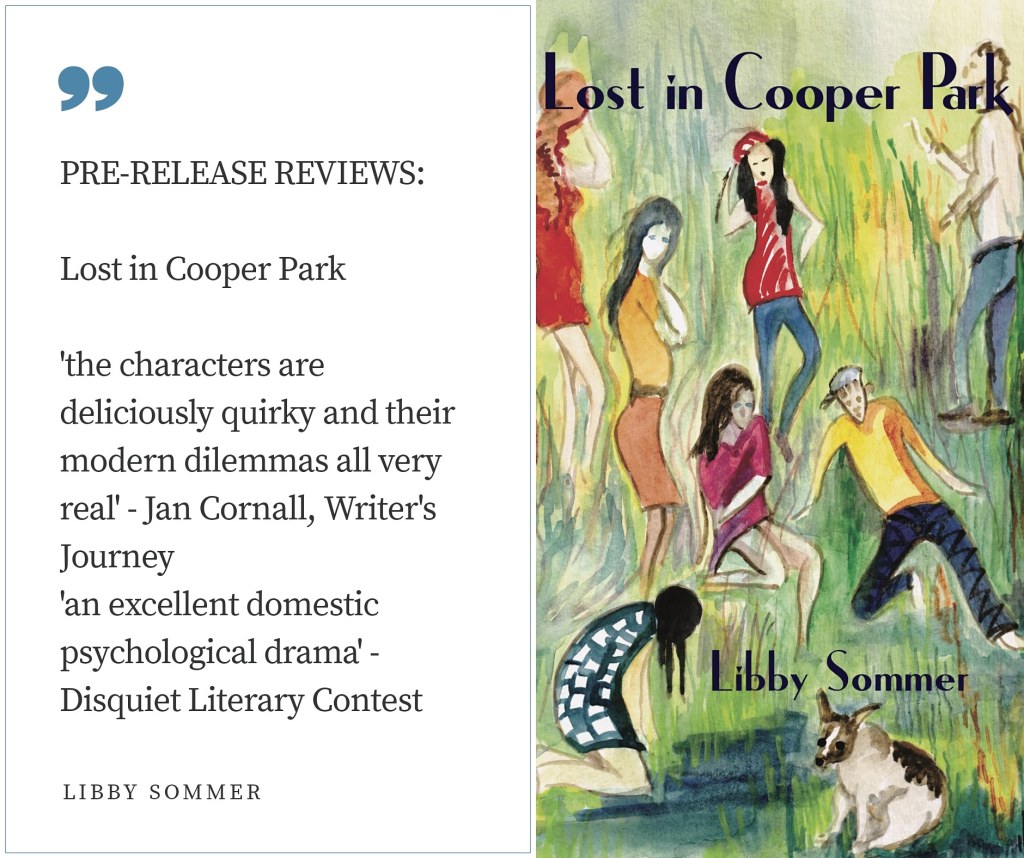
The book achieved Notable Awards in Seizure’s Viva la Novella Book Competition and the highly acclaimed European Disquiet International Literary Contest.
Much excitement.
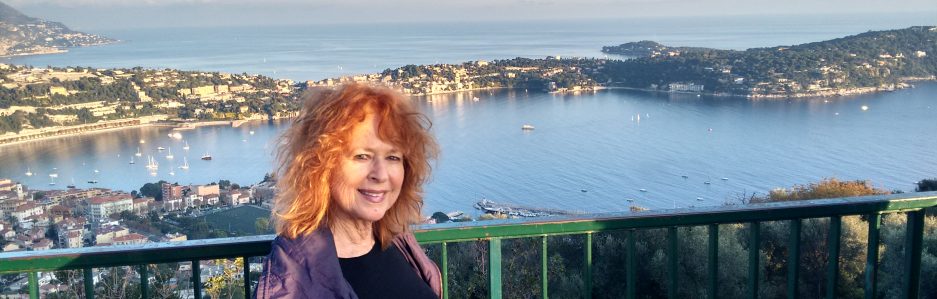
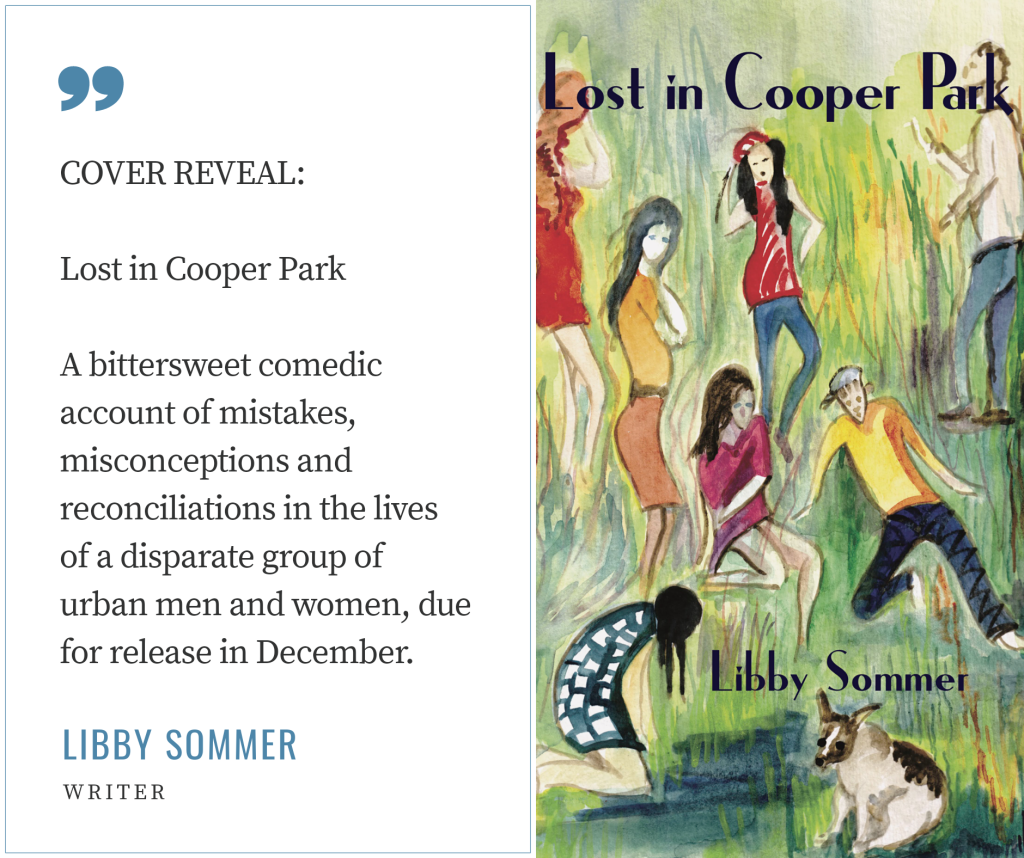
What do you think? Do you like the cover? My new book is due for release by Ginninderra Press next month.
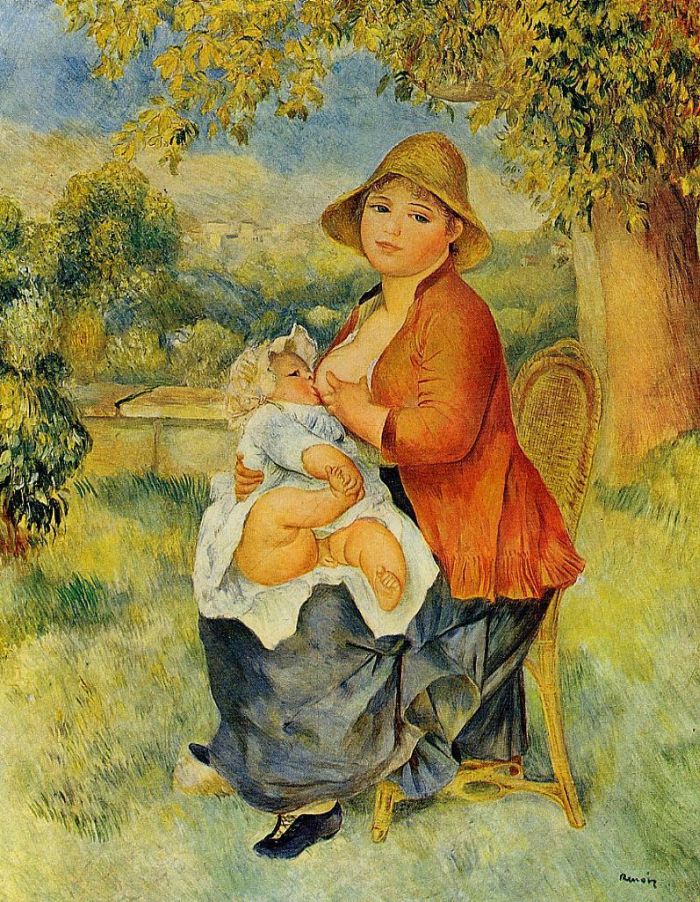
Wednesday, 6 May 2020 is World Maternal Mental Health Day: raising awareness of maternal mental health issues so that more women will get treatment and fewer will suffer.
I responded to a call out for submissions of stories, essays and poems that address perinatal depression and anxiety.
I’m delighted to tell you that my short story ‘The New Baby’, first published in Quadrant magazine, has been selected for inclusion in this anthology.
The planned release date for the anthology is May this year, to coincide with World Maternal Mental Health Day.
What a privilege to be part of this important collection of 25 stories, poems and essays that will also be featured as part of PANDA (Perinatal Anxiety & Depression Awareness) week in November.
Every November PANDA Week provides an opportunity to increase understanding in the community about an illness that is more common and more serious than many people realise.

I am very happy to say my new prose poem ‘Someone I Don’t Know Sideswiped My Car’ has been accepted for publication by literary magazine Quadrant. A huge boost to my confidence as a writer. Fear of the blank page and running out of ideas never leaves me. Am very grateful that I am still producing and publishing new work.
So what is prose poetry?
Wikipedia offers this definition of prose poetry: “Prose poetry is poetry written in prose instead of using verse but preserving poetic qualities such as heightened imagery and emotional effects.”
‘A prose poem falls somewhere in the gray area between a story and a poem. Prose poetry also tends to be very, very short, often (but not always) less than one page. Prose poetry blends the styles of poetry and narrative prose.’ – Writer’s Relief
I love creating stories in this very very short form.
Exciting news.
My prose poem THE CELLIST has been accepted for publication in Quadrant magazine.
And another prose poem THE LADDER AND ITS DANGERS was recently longlisted for the 2019 joanne burns Microlit Award. It will be available for inclusion in a range of multi-platform activities organised by Spineless Wonders including #storybombingNWF20, podcasts, live performance and the Microflix Awards.
I love the short short form: prose poems, microlit, flash fiction. I’m putting together a new collection of my published short form stories and prose poems. The working title is SMALL FICTIONS. What do you think?
Prolific widely-published flash fiction writer Meg Pokrass says on Facebook that:
‘The more I become involved in the editorial side of the microfiction form, the more it becomes mysterious to me. The more it seems like some kind of freaky magic. After reading thousands of stories for Best Microfiction, all I can say is that there is no formula. The other thing I can say is that we must use who we are when we write. Trying to perfect a “style” is useless. Making something that feels like you, something only you can possibly see that way, works wonders. The secret seems to be in revealing who you are through the life of a character or two, which somehow mysteriously makes us see something unusual about the world itself. Finding your own expression of something we all have felt before, in some sly and startling way that hooks us.’ – Meg Pokrass
Great advice. Agree?
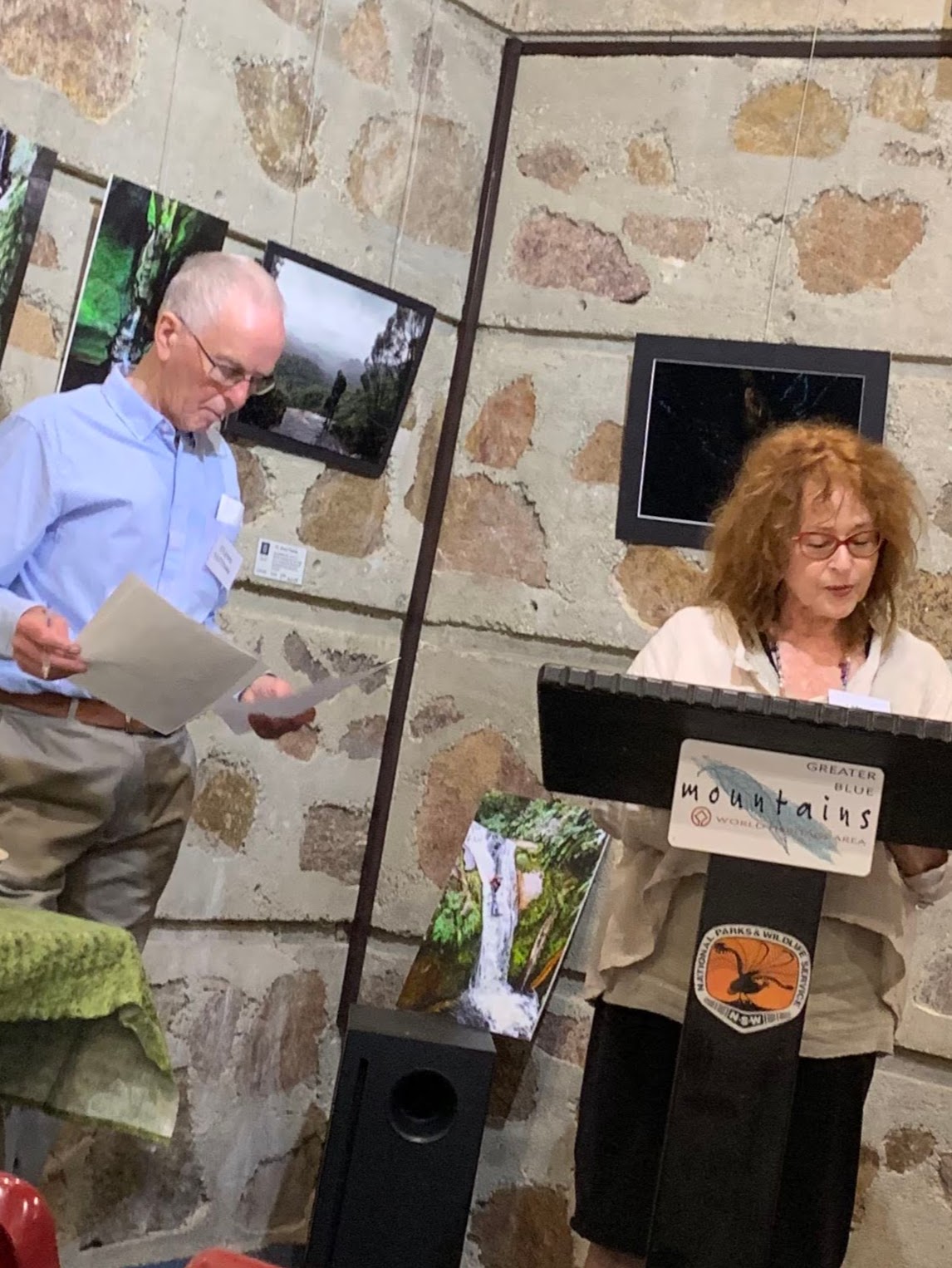
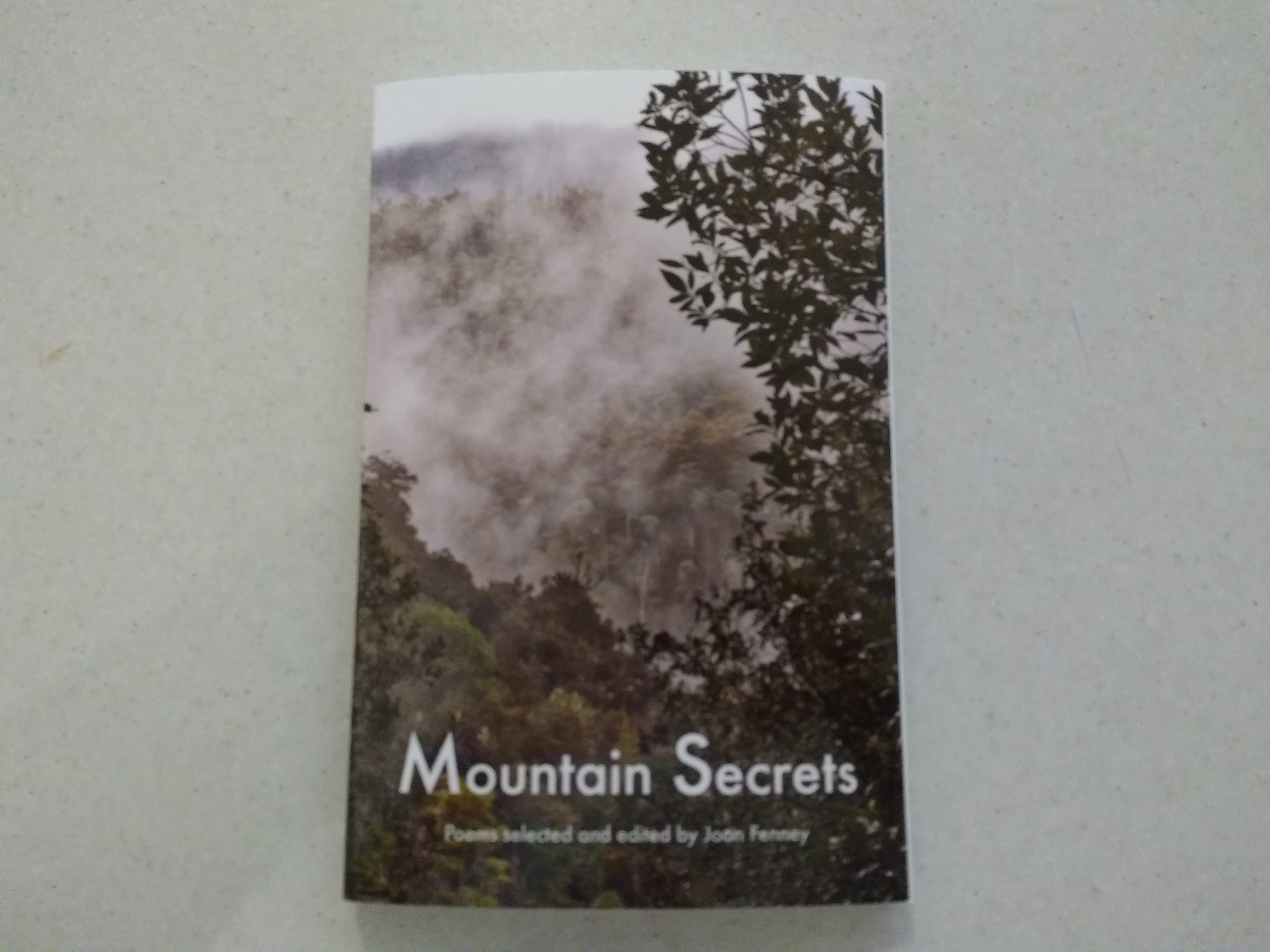
‘Mountains are constant but continually changing. Captive to the seasons, they reveal many faces: in winter shrouded in snow and mist, yet so visibly majestic in the summer months that they appear to touch the sky. Lost in clouds at times, so discernible at others. Places of solitude yet at the mercy of mountaineers who swarm them. Both revered and feared; mystical and earthy; elusive but tangible. Does the mystery of mountains lie in the many paradoxes that surround them? Join more than 150 poets from across Australia in a tantalising exploration of mountains around the world, real and imagined, literal and figurative.’ – Joan Fenney
‘Mountains symbolise many aspects – overcoming obstacles, spiritual elevation, constancy, isolation and challenges. They inspire adventurers to scale their heights, and writers, lyricist, artists and photographers to portray them with words and images.’
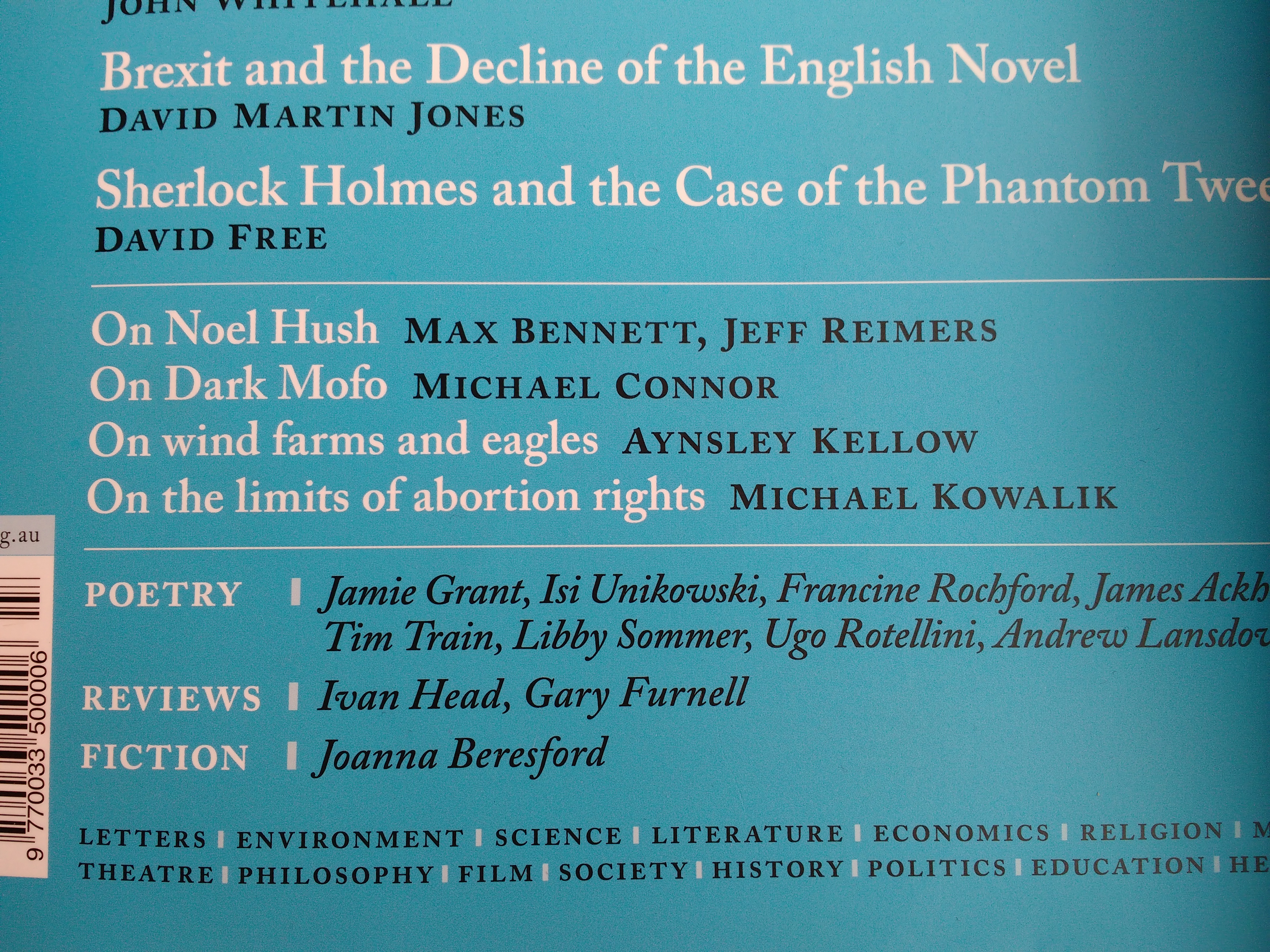
There’s my name on the cover of September Quadrant. First time I’ve made it to the cover under Poetry. This month it’s a prose poem titled AMBER PUPPY. I share the honour with poets Jamie Grant, Isi Unikowski, Francine Rochford, James Ackburst, Tim Train, Ugo Rotellini and Andrew Lansdown.
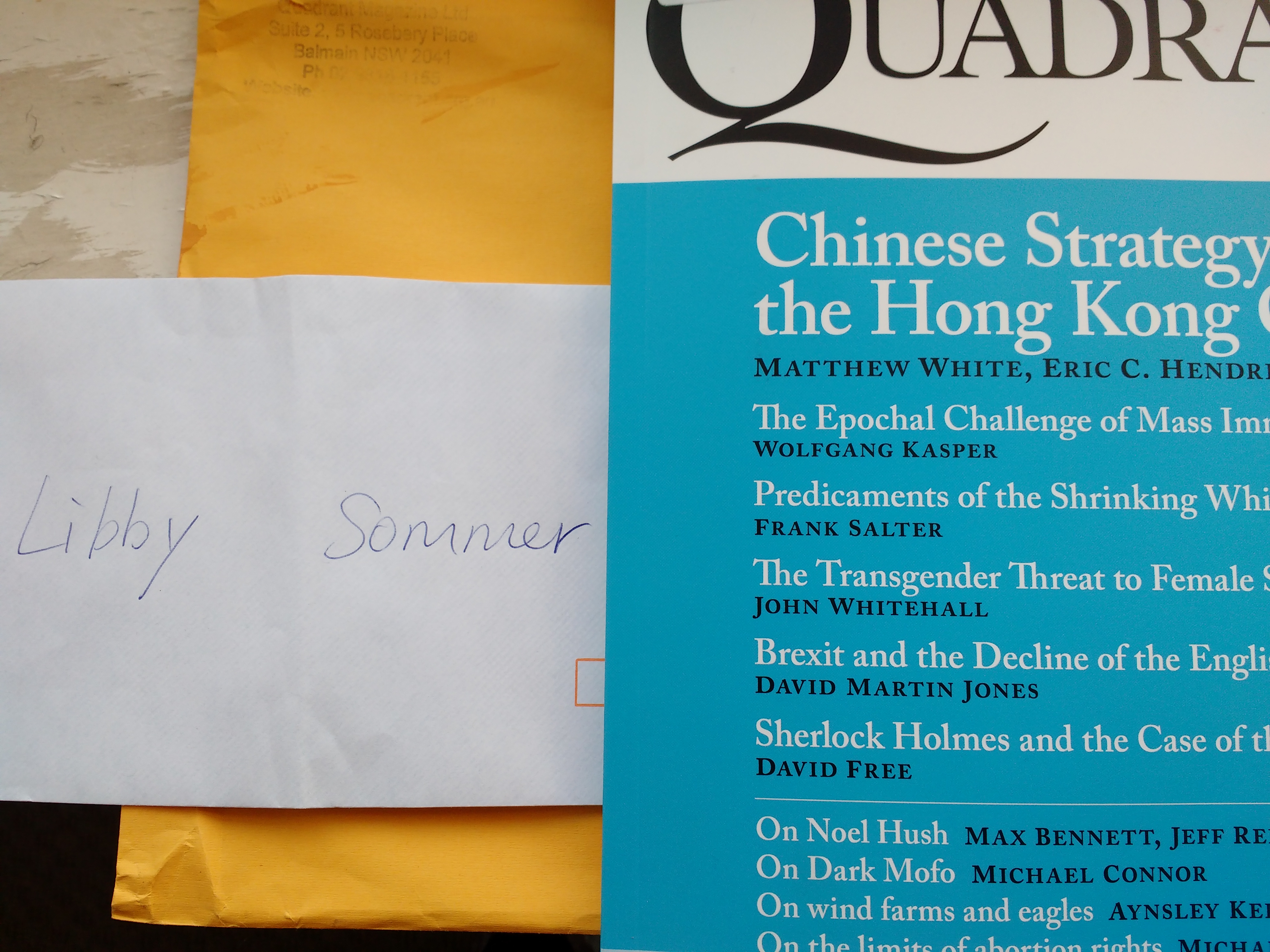
And there’s the white envelope containing my cheque. Halleluja!
So what is a prose poem?
Dictionary: a piece of imaginative poetic writing in prose.
Poetry Foundation: A prose composition that, while not broken into verse lines, demonstrates other traits such as symbols, metaphors, and other figures of speech common to poetry …
Wikipedia: Prose poetry is poetry written in prose form instead of verse form, while preserving poetic qualities such as heightened imagery, parataxis, and emotional effects.
Academy of American Poets: Though the name of the form may appear to be a contradiction, the prose poem essentially appears as prose, but reads like poetry. In the first issue of The Prose Poem: An International Journal, editor Peter Johnson explained, “Just as black humor straddles the fine line between comedy and tragedy, so the prose poem plants one foot in prose, the other in poetry, both heels resting precariously on banana peels.” While it lacks the line breaks associated with poetry, the prose poem maintains a poetic quality, often utilizing techniques common to poetry, such as fragmentation, compression, repetition, and rhyme. The prose poem can range in length from a few lines to several pages long, and it may explore a limitless array of styles and subjects.
I love writing prose poems. They are definitely my preferred writing form just now.
Have a read of AMBER PUPPY. Quadrant magazine is available in newsagents, some book stores, online and in libraries.
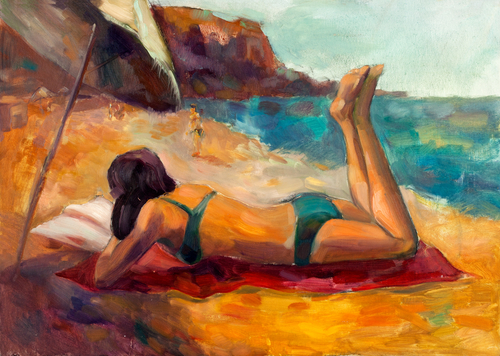
My new book STORIES FROM BONDI, a collection of stories set mostly in Bondi, is now available for pre-order. Target US are even advertising it! Don’t know how that happened. The book will be released as a paperback on 13 September but can be purchased as Kindle Edition from Amazon and as an eBook from Booktopia and other online sites now. As a paperback it can be ordered from bookstores, online and from the publisher, Ginninderra Press.
And here’s my author page on Amazon. Click the link. Feeling pretty proud. I think my four books look fabulous together, if I may say so myself 🙂
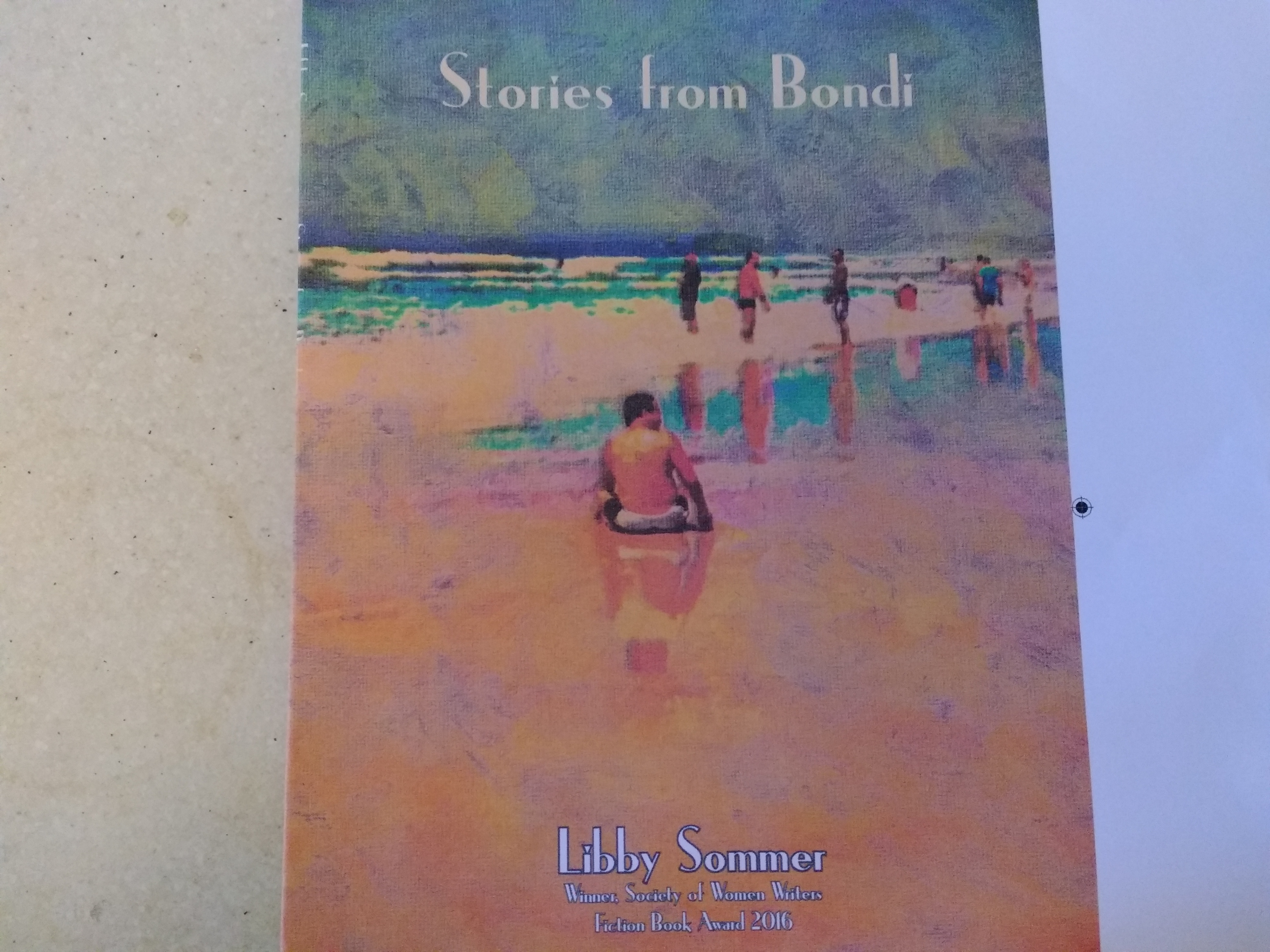
In the final stretch now towards publication next month of STORIES FROM BONDI. I received final proofs from the publisher Ginninderra Press. They are now being read by another set of eyes before posting back to Adelaide. 19 contemporary stories about men and women and life and the whole damn thing set mostly in and around Bondi.
There will be a launch of the book in the Blue Mountains on 2 November. Details to follow.
So what are final proofs?
‘Proofs created by the printer for approval by the publisher before going to press are called final proofs. At this stage in production, all mistakes are supposed to have been corrected and the pages are set up in imposition for folding and cutting on the press. To correct a mistake at this stage entails an extra cost per page, so authors are discouraged from making many changes to final proofs, while last-minute corrections by the in-house publishing staff may be accepted.
‘In the final proof stage, page layouts are examined closely. Additionally, because final page proofs contain the final pagination, if an index was not compiled at an earlier stage in production, this pagination facilitates compiling a book’s index and correcting its table of contents.’ – Wikipedia
I’m very excited and can’t help boasting that this is my fourth book in four years. Phew. What a marathon it’s been!
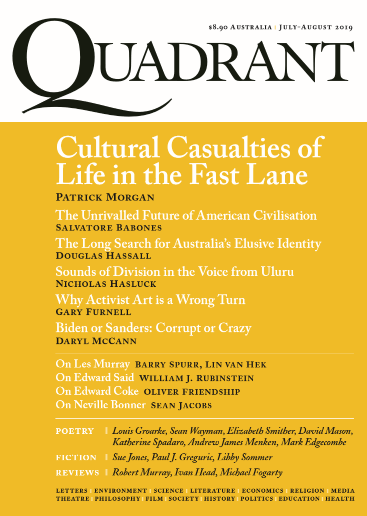
I’m so excited to have my brand new short story ‘The End of It All‘ in this month’s Quadrant magazine. Have a read. Available in newsagents and online. Thank you to Fiction Editor, George Thomas.
 Libby Sommer, Author