

When I used to teach classes to beginning writers, it was good. It forced me to think back to the beginning to when I first put pen to paper. The thing is, every time we sit down and face the blank page, it’s the same. Every time we start a new piece of writing, we doubt that we can do it again. A new voyage with no map. As people say, it is like setting off towards the horizon, alone in a boat, and the only thing another person can do to help us, is to wave from the shore.
So when I used to teach a creative writing class, I had to tell them the story all over again and remember that this is the first time my students are hearing it. I had to start at the very beginning.
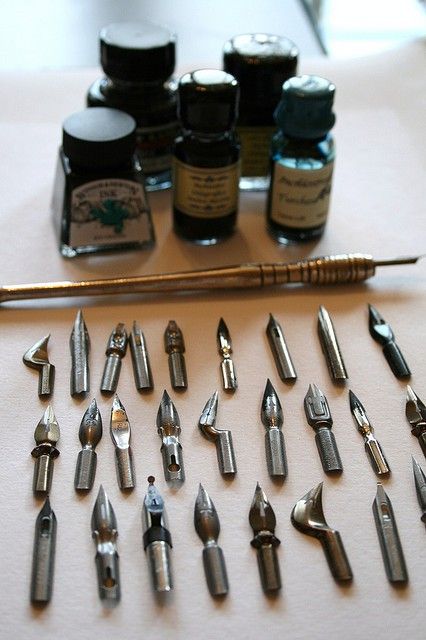
First up, there’s the pen on the page. You need this intimate relationship between the pen and the paper to get the flow of words happening. A fountain pen is best because the ink flows quickly. We think faster than we can write. It needs to be a “fat” pen to avoid RSI.
Consider, too, your notebook. It is important. The pen and paper are your basic tools, your equipment, and they need to be with you at all times. Choose a notebook that allows you plenty of space to write big and loose. A plain cheap thick spiral notepad is good.
After that comes the typing up on the computer and printing out a hard copy. It’s a right and left brain thing. You engage the right side of the brain, the creative side, when you put pen to paper, then bring in the left side, the analytic side, when you look at the print out. You can settle back comfortably with a drink (a cup of tea even) and read what you’ve written.
Then editing and rewriting.
Patrick White said that writing is really like shitting; and then, reading the letters of Pushkin a little later, he found Pushkin said exactly the same thing. Writing is something you have to get out of you.
Good luck on your creative journey. It’s a tough one. Hang in there and keep writing.
 Libby Sommer, Author