Perinatal Mental Health Week 2020

Do you know that it is Perinatal Mental Health Week 2020? A time to raise awareness and collaborate to ensure that parents in need know they are not alone.

1 in 5 mums and 1 in 10 dads experience perinatal depression and anxiety, which is 100,000 Australians each year.

pmhweek.org.au

Australian writers tell the truth about perinatal anxiety and depression in poetry, fiction & essay in the new anthology, Not keeping mum, edited by Maya Linden, published last month. I was honored to have my short story, The New Baby (first published in Quadrant magazine) included in this important anthology.

Heartfelt, at times confronting and occasionally funny, this collection gives insight into how women navigate the profound changes that occur in their bodies, relationships and lives when they become a parent, and how they find the light at the end of the tunnel.”

Anne Buis

All profits from the sale of this book go to PANDA (Perinatal Anxiety and Depression Australia).
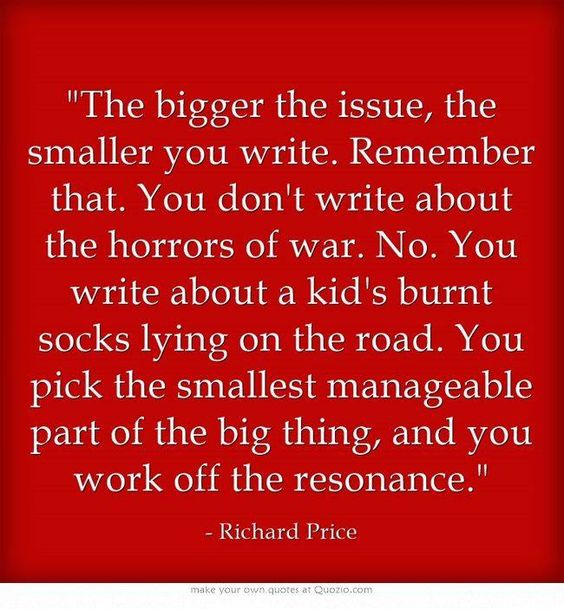
Writing Tip: The Bigger the Issue, the Smaller You Write

A quote: the bigger the issue, the smaller you write - Richard Price

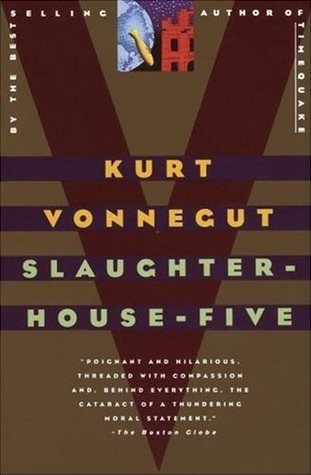
A fantastic example of this writing advice is Kurt Vonnegut’s  Slaughterhouse-Five.

Poignant and hilarious, threaded with compassion and, behind everything, the cataract of a thundering moral statement. – The Boston Globe

book cover of Kurt Vonnegut's 'Slaughterhouse-Five'

Kurt Vonnegut’s absurdist classic Slaughterhouse-Five introduces us to Billy Pilgrim, a man who becomes unstuck in time after he is abducted by aliens from the planet Tralfamadore. In a plot-scrambling display of virtuosity, we follow Pilgrim simultaneously through all phases of his life, concentrating on his (and Vonnegut’s) shattering experience as an American prisoner of war who witnesses the firebombing of Dresden.

Don’t let the ease of reading fool you – Vonnegut’s isn’t a conventional, or simple, novel. He writes, “There are almost no characters in this story, and almost no dramatic confrontations, because most of the people in it are so sick, and so much the listless playthings of enormous forces. One of the main effects of war, after all, is that people are discouraged from being characters.”

Slaughterhouse-Five is not only Vonnegut’s most powerful book, it is also as important as any written since 1945. Like Catch- 22, it fashions the author’s experiences in the Second World War into an eloquent and deeply funny plea against butchery in the service of authority. Slaughterhouse-Five boasts the same imagination, humanity, and gleeful appreciation of the absurd found in Vonnegut’s other works, but the book’s basis in rock-hard, tragic fact gives it a unique poignancy – and humor. – Goodreads

Highly recommended. A masterpiece.

My Poem ‘Quarantine’

My poem ‘Quarantine’ was published in September 2020 Quadrant magazine.

Have a read. Hope you enjoy it.

As mentioned previously, I really enjoy writing in a super-short form. I’ve been told I have the ability to distil. So … prose poems and poetry have been added to my repertoire. I’m currently working on a new collection of poetry, prose poems and flash fiction titled ‘Love & A Search for Meaning’. What do you think of this working title for a collection? Any comments much appreciated.

Quarantine:

But there still are the other things –

water’s rhythmic tumble

over rocks,

the gentle hush of wind through leaves –

we celebrate

in solitude.

Copyright © 2020 Libby Sommer

Writing Tip: Taste Life Twice

quote by Anais Nin against a night sky

“Writers live twice. They go along with their regular life, are as fast as anyone in the grocery store, crossing the street, getting dressed for work in the morning. But there’s another part of them that they have been training. The one that lives everything a second time. That sits down and sees their life again and goes over it. Looks at the texture and the details.”  – Natalie Goldberg

My Flash Fiction, Sober Sixty

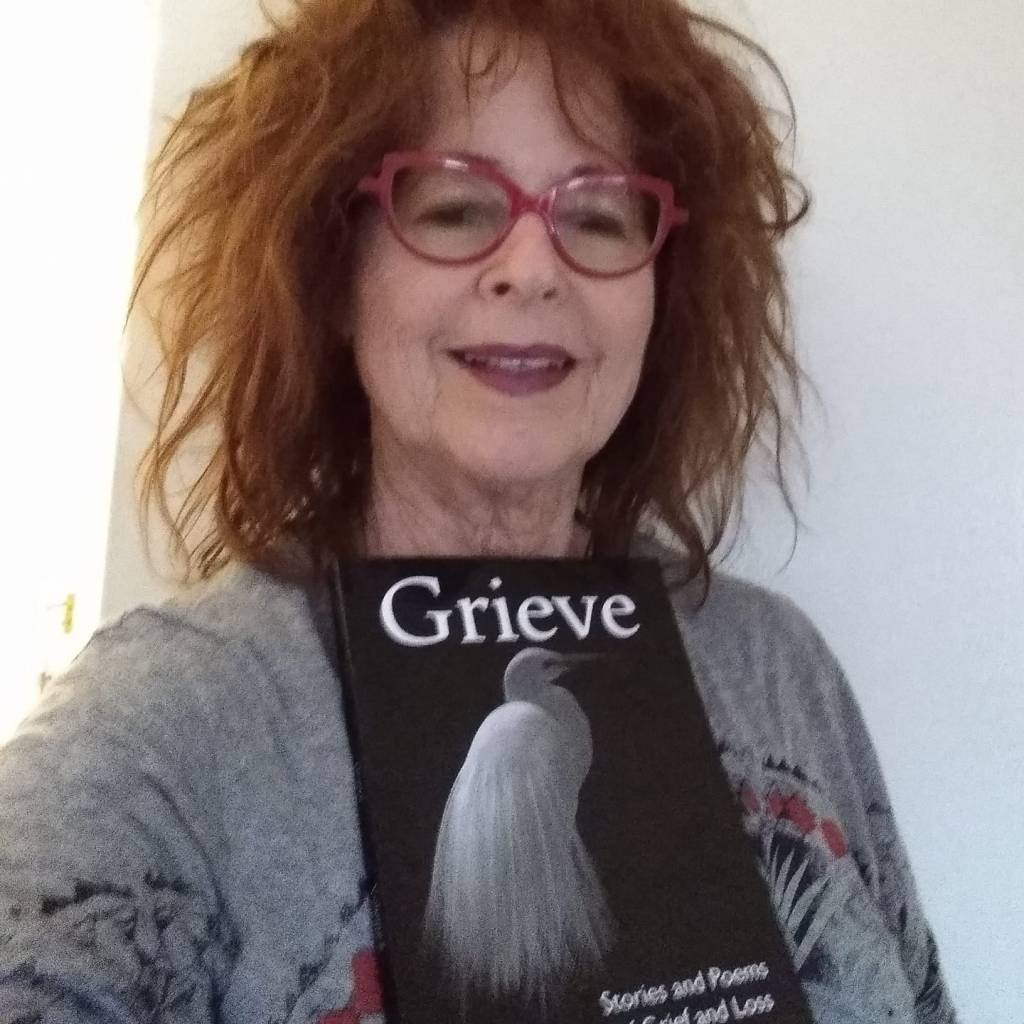
Libby Sommer and 'Grieve" anthology

Have a read of my flash fiction ‘Sober Sixty’ first published in the August 2020 Grieve Anthology, Stories and Poems of Grief and Loss.

Sober Sixty:

Samantha’s single women friends were envious, although she assured them Johnny wasn’t perfect. Mood swings, challenging stuff like that.

Nobody messed with Johnny. Nobody knew better than he did, he was always watching YouTube and learning new facts and figures. Also, he rode a motorbike and practiced shooting at weekends. There were Facebook groups for bike riders and a rifle range nearby. Johnny was proud of being a rev-head and a good shot with his gun, and not many people could disagree that he had unusual interests for a man his age.

‘Sober since forty and counting,’ he said about his sobriety. They didn’t talk about his twenties and thirties.

There’s a photograph of the two of them from Christmas day. Johnny had tried to lower himself to Samantha’s height for the photo so they’d be on the same level. ‘Stand up tall,’ she’d said. ‘Stand to your full height.’ ‘That’s right,’ he’d said. ‘You like things big.’

‘What does ATP in ATP Cup stand for?’ was the type of thing Johnny would call out while she poured him a glass of water before setting out on a stroll around the block.

Samantha thought she knew the answer, but didn’t want to risk being wrong. She’d learnt to tiptoe around his wildness and dreaded the fighting when she wasn’t attentive enough to his needs. Dry drunk, AA called it. The unpredictable rages were doing her head in. She knew she needed the courage to walk away.

Now she’s getting by a day at a time.

Her friends say she’s one of the lucky ones. She’s dodged a bullet.

Copyright © Libby Sommer 2020

Grieve 2020 Anthology available from Hunter Writer’s Centre website or Booktopia https://hunterwriterscentre.org/bookshop/

Writing Tip: Show Don’t Tell

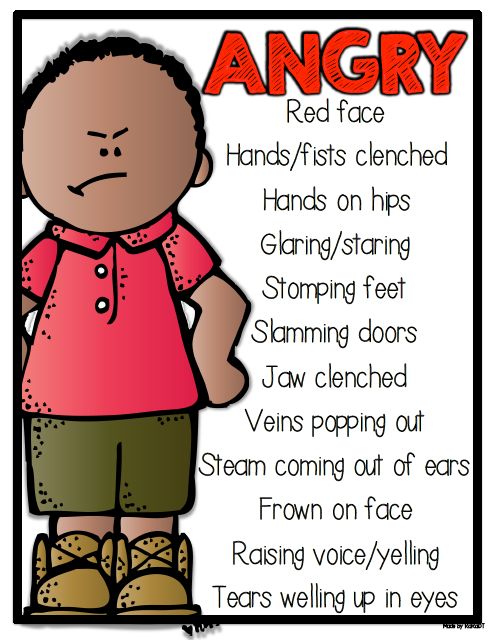
cartoon illustrating angry boy with red face

Show don’t tell is an old writing tip, but a good one.

What does it mean exactly?

It means don’t tell us about loneliness (or any of those complex words like dishonesty, secrecy, jealousy, obsession, regret, death, injustice, etc) show us what loneliness is. We will read what you’ve written and feel the bite of loneliness. Don’t tell us what to feel. Show us the situation, and that feeling will be triggered in us.

When you take your child to school on their first day you may find yourself teary and relieved at the same time. Put into words what you see: the child’s face, the wave at the gate, the other mothers saying their goodbyes, another child coming up to take your son by the hand. We will get what you’re trying to say without you telling us directly.

The how-to-write books tell us to use our senses when we write stories:  sight, sound, smell, touch. Writing from the senses is a good way to penetrate your story and make friends with it. Don’t tell us about something, drop deep, enter the story and take us with you.

What about you? Do you consciously bring the senses into your creative writing?

The 2020 Grieve Anthology

Libby Sommer and 'Grieve" anthology
I received my contributor’s copy of the 2020 Grieve anthology from the Hunter Writer’s Centre today. Stories and Poems of Grief and Loss. My short story ‘Sober Sixty’ is part of the collection.
The back cover reads,
‘2020 is the 8th year of the Grieve Project. Since 2013, Australians have submitted poems and stories about their experience with parental grief, sibling grief, loss of a home and numerous other forms of grief and loss.
‘2020 was a year of collective grief for Australia and the world. Yet the telling of grief here is much the same as in previous years. While tales of devastating bushfires and the crippling consequences of the coronavirus do feature in this anthology, its core remains unchanged: grief is universal arising from a multitude of experiences and we express it in myriad ways.
‘Writing about grief is a most notable expression. This anthology exposes that nobility and humility. It also gives us, the readers, hope.’
I feel honored to be part of this book.
Available from Hunters Writer’s Centre website or Booktopia

My Prose Poem ‘The Ladder and Its Dangers’

fountain pen on page of writing

Have a read of my prose poem ‘The Ladder and Its Dangers’. It was longlisted for the 2019 joanne burns Microlit Award available for inclusion in a range of multi-platform activities organised by Spineless Wonders including #storybombing NWF20, podcasts, live performance and the Microflix Awards.

Hope you enjoy it.

The Ladder and Its Dangers:  

It’s dizzying up there. You climb to the top shelves for whatever your mood requires:  on loneliness, weight reduction, a book of Basho’s Haiku and find half a dozen books you forgot you had which side tracks the initial quest, since now that you’ve located them you have to consider them. Will I ever reread this, recycle it in the street library? Of course, your reading interests are very different from the interests you had when you placed it alphabetically on the shelf.  Perhaps your interests have moved in a different direction now, maybe they’ve become more multi-cultural. Perhaps you think continuing to read Anita Brookner and her stories of loss and aloneness are not the best choice for you anymore. Your quest takes on a sedentary nature as you sit on the floor to search the lower shelves, scanning titles and author names. Possibly by now you’ve been up and down the ladder several times and been peering upwards for extended periods cutting off the blood supply to your neck. And you’ve stood up too quickly from the floor and are feeling totally off balance. Now you need to consider blood sugar levels, blood pressure, PEOPLE OVER SIXTY SHOULDN’T CLIMB LADDERS. Discombobulated for a while, you’re too preoccupied to recall what sent you up the ladder in the first place.

Copyright © 2019 Libby Sommer

Writing Tip: How to Slow Things Down

So, here’s the thing:  choose something in particular to write about. For example, what it feels like having a tennis lesson after a twenty year break. Give us the specifics. Dig deep for the details, but at the same time be aware of the world around you. As you focus on what you’re writing, at the same time stay conscious of your surroundings:  the white painted cane Bentwood chairs in the café, the cool breeze from under the door on your sandaled feet, the hum of the traffic outside. Just add a sentence every now and then about the trees that overlooked the tennis courts while you were having a tennis lesson. When we focus on our writing it is good. Seeing the colour of the sky when you toss the ball gives breathing space to your story.

If you are sitting in Meditation you calm the butterfly mind by paying attention to your thoughts, giving them space by acknowledging them before returning to the breath, in and out through the nostrils. In the act of slowing down your breathing, as best you can, you remain open so that you are receptive to awareness of sounds as they arise: sounds near, sounds far, sounds in front, behind, to the side, above or below.

With every breath you take, you feel the air, the sound of the ball as it hits the racket, the  players on the other courts.

We should always be living in the present, not by ignoring the world around us, but by paying close attention. It is not easy to stay alive to ‘what is’. When we slow things down in our writing, it is good practice.

What about you? Do you find a daily meditation practice assists your writing practice?

My Microlit ‘In the Mall’

My Microlit ‘In the Mall’ was selected as an entry in the Microflix Writers Awards available to be chosen by filmmakers for adaption to a short film for the 2019 Film Awards. On the theme of SOUND it is available to view on the Microflix SOUND extracts page on the website of Australian short story publisher, Spineless Wonders.

So what is Microlit? According to writer, teacher and editor, Karen Whitelaw: Imagery is important to all writing, but none more than microlit. … Writing is a visual art; paint pictures with words. Things don’t have to be explained, merely implied. This is the beauty of the form, that behind the words a whole world is peeping through. The micro-story has to say something.

Have a read of my story. Hope you enjoy it.

IN THE MALL

In a café inside a mall in Sydney a small curly-topped girl sobbed and sobbed. She sat on her father’s lap, stabbing her finger into a slice of banana bread. Her dad soothed, whispered, coaxed. What would you like, Tara? He cut into his poached egg. Toast? he cajoled. The girl sobbed more loudly, wailing, coughing, staring out into the mall. I want my mum. She cuddled a pink soft piglet. Our eyes scanned the glass display of croissants, pies and pastries. I loved every carb that did not pass my lips. I loved the sobbing child who heard no one else in that cafe but herself, whose lungs fought hard to reach a soaring, sorrowful pitch. What have you got? an elderly woman asked her. Still crying, the child held up her toy. Her father gave up on his poached eggs and carried her out, still wailing. We went and sat at the table with the stabbed-at bread her finger had made and swept the moist crumbs into a heap.

Copyright © 2019 Libby Sommer